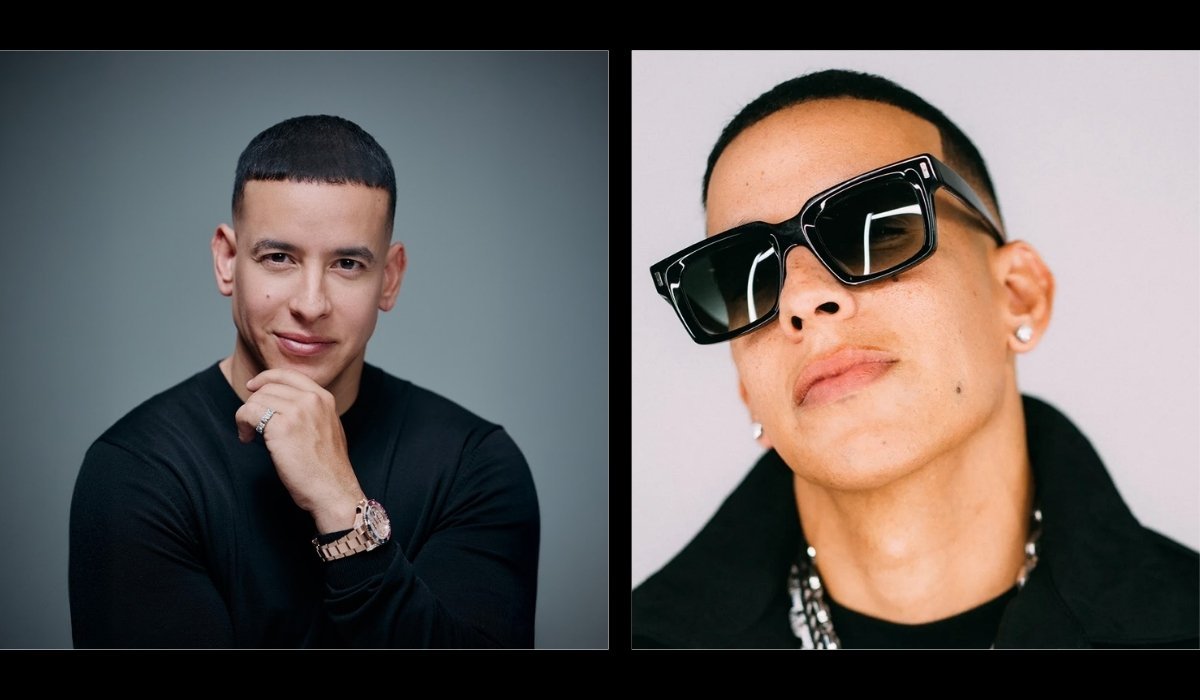
Daddy Yankee is widely recognized as the King of Reggaeton, a title earned through decades of dedication, musical innovation, and cultural influence. His real name is Ramón Luis Ayala Rodríguez, and he was born in Puerto Rico, where the foundations of reggaeton were formed. Long before the genre dominated global charts and streaming platforms, Daddy Yankee was experimenting with urban sounds, Caribbean rhythms, and street-inspired storytelling. His rise was not immediate or easy, but it was built on consistency, vision, and an unwavering belief in the power of his music. Today, his name stands as a symbol of how a regional style can transform into a worldwide movement.
His career represents more than commercial success. It reflects the growth of Latin urban culture from overlooked neighborhoods to international stadiums and award ceremonies. Daddy Yankee did not simply ride the wave of reggaeton’s popularity; he helped create it. His journey shows how music can become a bridge between cultures, languages, and generations while remaining deeply rooted in its origins.
Quick Bio
| Detail | Information |
| Full Name | Ramón Luis Ayala Rodríguez |
| Stage Name | Daddy Yankee |
| Date of Birth | February 3, 1977 |
| Place of Birth | San Juan, Puerto Rico |
| Nationality | Puerto Rican |
| Profession | Singer, songwriter, producer, entrepreneur |
| Genre | Reggaeton, Latin urban |
| Famous Title | King of Reggaeton |
| Years Active | Mid-1990s to present |
Early Life and Musical Foundations
Daddy Yankee grew up in a working-class environment in San Juan, Puerto Rico, where music and street culture were part of daily life. From a young age, he was influenced by hip-hop, dancehall, and traditional Latin sounds. These influences would later blend into the unique style that defined reggaeton. As a teenager, he dreamed of becoming a professional baseball player, but an unexpected injury changed the direction of his life, pushing him to focus fully on music.
This turning point proved to be decisive. Instead of seeing it as a setback, Daddy Yankee used the experience to fuel his creativity. He began recording underground tracks and collaborating with local artists who shared similar ambitions. These early recordings were raw and experimental, reflecting the realities of urban life in Puerto Rico. They did not attract mainstream attention immediately, but they laid the groundwork for a new sound that would later conquer the global music industry.
Creating the Identity of Reggaeton
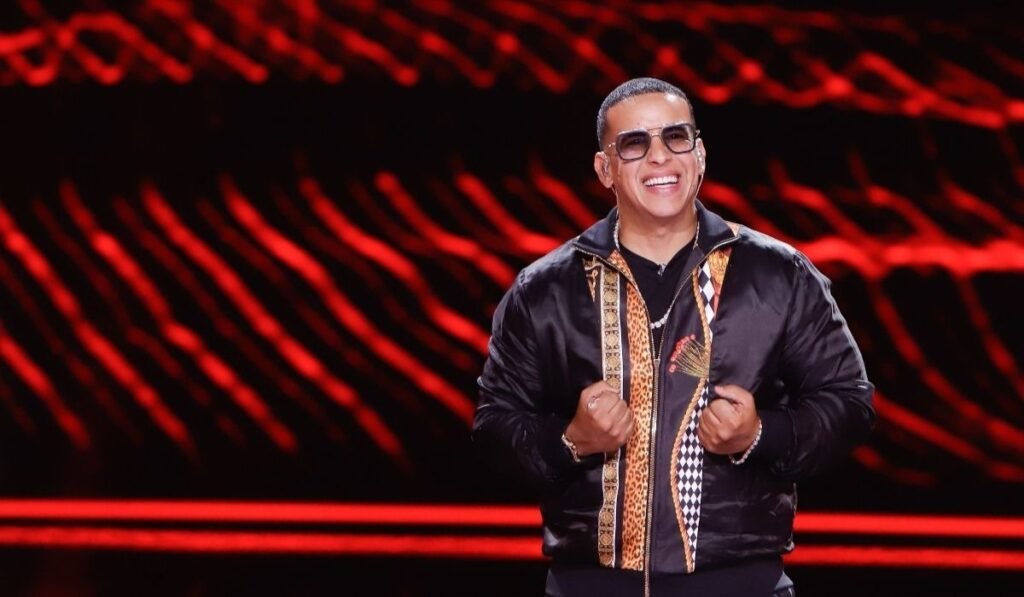
Reggaeton was once considered underground music, often dismissed by mainstream media as too raw or controversial. Daddy Yankee played a central role in redefining its image. He refined the sound by combining rhythmic beats with structured melodies, catchy choruses, and storytelling lyrics that spoke to everyday struggles and ambitions.
He understood that music must evolve to survive. Instead of limiting himself to one formula, he constantly experimented with production techniques, vocal styles, and collaborations. His ability to balance authenticity with innovation made his songs appealing to both street audiences and international listeners. Through this process, he helped establish reggaeton as a legitimate and respected genre.
Global Breakthrough and Cultural Expansion
Daddy Yankee’s international breakthrough transformed not only his career but also the entire Latin music industry. When his music reached audiences outside the Caribbean, it challenged traditional expectations of what Spanish-language songs could achieve commercially. Clubs in Europe, Asia, and North America embraced reggaeton rhythms, and radio stations that once ignored Latin urban music began playing his tracks regularly.
This global expansion changed the cultural narrative. Reggaeton was no longer limited to local communities; it became a shared language of rhythm and energy. Daddy Yankee became the face of this movement, representing a new era of Latin identity that was bold, confident, and modern.
Business Vision and Entrepreneurial Success
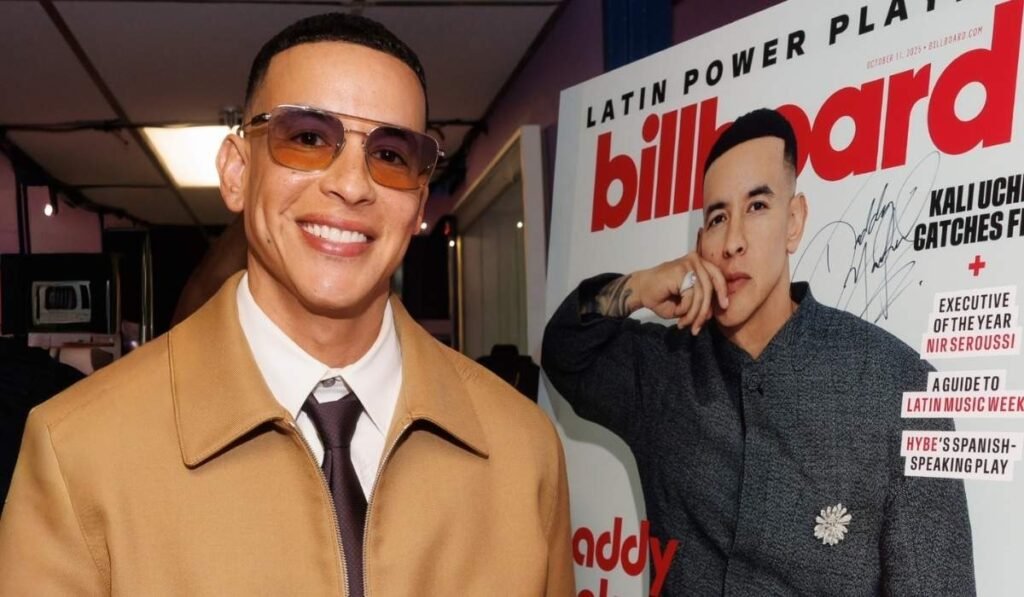
Beyond music, Daddy Yankee demonstrated remarkable business insight. He recognized early that artists must protect their creative rights and build sustainable careers beyond album sales. By establishing his own label and managing strategic partnerships, he secured control over his work and brand.
This independence allowed him to negotiate better contracts, invest in new talent, and expand into fashion and digital media. His entrepreneurial mindset turned him into a role model for young musicians who wanted to succeed without sacrificing artistic freedom. He proved that creativity and business intelligence could coexist and reinforce each other.
Social Influence and Representation
Daddy Yankee’s impact extends into social and cultural representation. For many young people in Latin America and immigrant communities, his success symbolized hope and possibility. He showed that background and circumstances do not define one’s potential.
His lyrics often addressed themes of resilience, ambition, celebration, and identity. These messages resonated with listeners who saw their own experiences reflected in his music. As reggaeton gained popularity, it also brought attention to communities that had long been ignored by mainstream media.
Overcoming Criticism and Industry Challenges
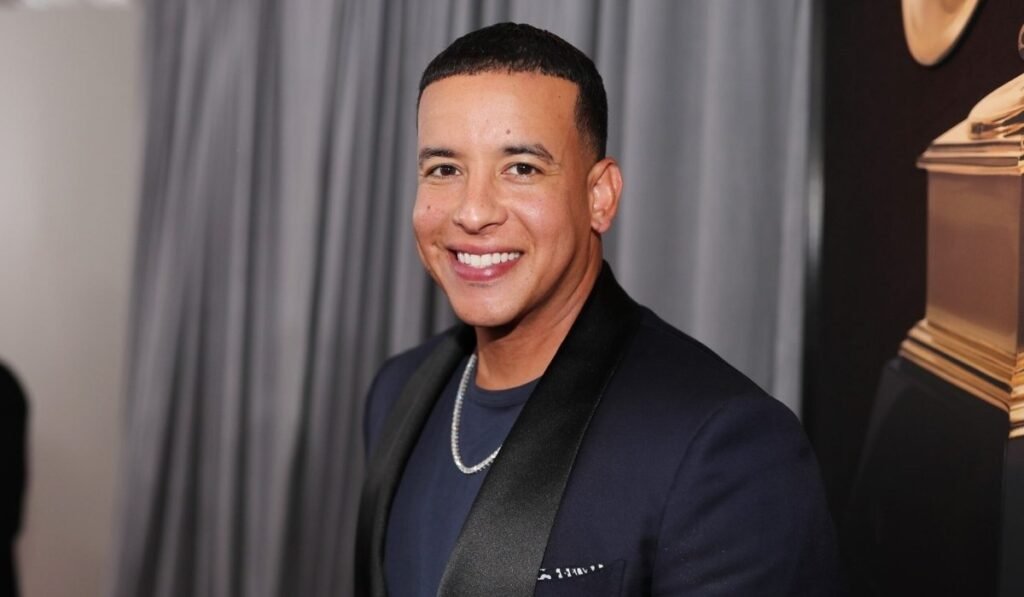
Like any influential artist, Daddy Yankee faced criticism throughout his career. Some critics labeled reggaeton as repetitive or controversial, while others questioned its artistic value. He also encountered fierce competition as new artists emerged and musical trends shifted.
Instead of responding defensively, he focused on growth. He adapted his sound, improved production quality, and collaborated across genres. His willingness to evolve allowed him to remain relevant while many others faded from the spotlight. These challenges strengthened his reputation as a disciplined and strategic artist.
Influence on Modern Latin Music
It is difficult to imagine the current landscape of Latin music without Daddy Yankee’s contributions. Many of today’s top artists openly acknowledge his influence on their style and career paths. He opened doors that once seemed permanently closed, proving that Spanish-language urban music could dominate global charts.
His success encouraged record labels to invest in reggaeton and related genres, leading to a wave of new talent. As a result, Latin urban music is now one of the most powerful forces in the global entertainment industry.
Why He Is Called the King of Reggaeton
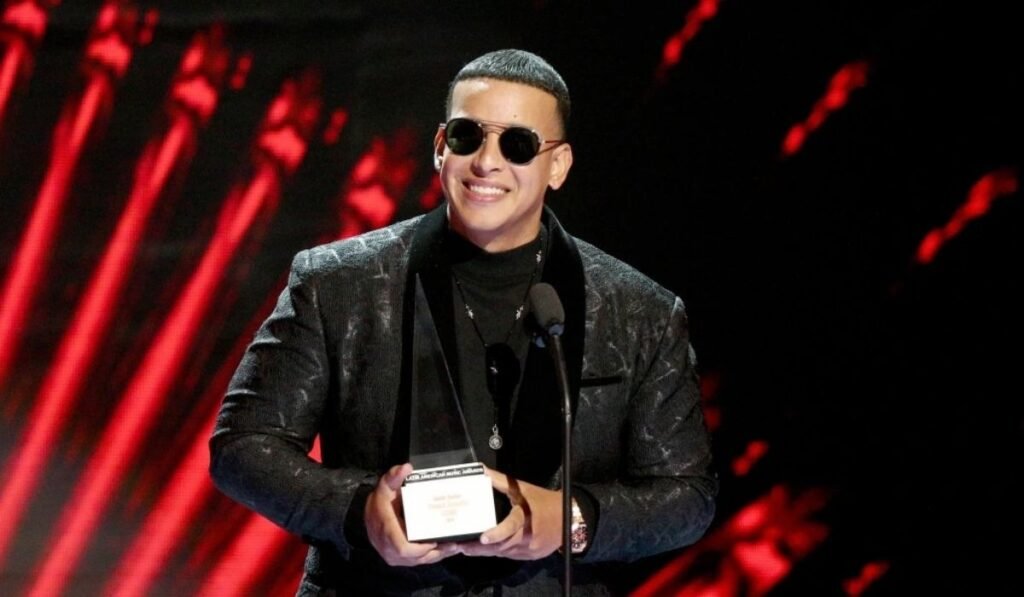
The title King of Reggaeton was not self-assigned. It was earned through years of consistent excellence, leadership, and innovation. Daddy Yankee guided the genre from obscurity to international recognition, setting standards that others would follow.
Being called a king reflects his authority within the genre, his influence on its development, and the respect he commands from fans and fellow musicians alike. His career represents the blueprint for transforming cultural expression into global art.
Legacy and Long-Term Impact
Daddy Yankee’s legacy is already secure. His music continues to inspire new generations, and his business strategies are studied by aspiring entrepreneurs in the entertainment industry. He did not merely succeed as an artist; he reshaped the industry itself.
Future musicians will continue to build upon the foundation he created, blending tradition with innovation just as he did. His story demonstrates how dedication, creativity, and cultural pride can transcend borders and redefine global music.
Conclusion
Daddy Yankee’s journey from local performer to global icon illustrates the transformative power of music. As the King of Reggaeton, he stands as a pioneer who changed how the world views Latin urban culture. Through innovation, persistence, and vision, he elevated reggaeton from an underground sound to an international phenomenon.
His influence extends far beyond record sales or awards. It lives in the voices of new artists, in the rhythms played in clubs worldwide, and in the cultural confidence of communities that now see themselves represented on the global stage.
Frequently Asked Questions
1. Why is Daddy Yankee known as the King of Reggaeton?
- He is given this title because he played a major role in creating, popularizing, and globalizing reggaeton music.
2. What made Daddy Yankee famous worldwide?
- His international breakthrough came from songs that introduced reggaeton to mainstream audiences across multiple continents.
3. Where did Daddy Yankee start his career?
- He began his career in Puerto Rico’s underground music scene during the 1990s.
4. Did Daddy Yankee influence other artists?
- Yes, many modern Latin musicians credit him as a primary influence on their careers and musical style.
5. Is Daddy Yankee involved in business outside music?
- Yes, he is also a successful entrepreneur and record label owner.