
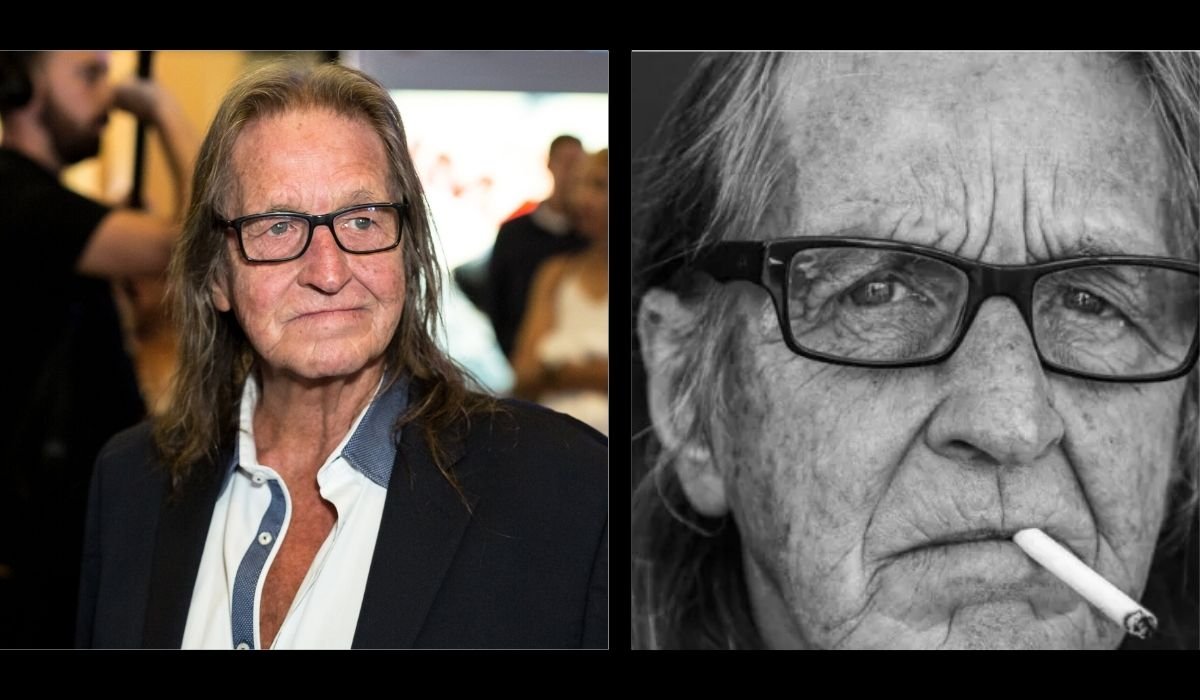
George Jung was an American drug trafficker and smuggler whose name became synonymous with the explosive rise of the cocaine trade in the United States during the 1970s and 1980s. Born August 6, 1942, in Weymouth, Massachusetts, Jung’s life story reads like a dramatic crime saga: a small‑town boy who made millions smuggling drugs, forged powerful cartel alliances, and ultimately lived a life marked by ambition, secrets, and regret. His journey was so compelling that it inspired the Hollywood film Blow (2001), starring Johnny Depp as George Jung.
George Jung Bio
| Field | Details |
|---|
| Full Name | George Jacob Jung |
| Also Known As | Boston George, El Americano |
| Date of Birth | August 6, 1942 |
| Place of Birth | Weymouth, Massachusetts, U.S. |
| Date of Death | May 5, 2021 |
| Place of Death | Weymouth, Massachusetts, U.S. |
| Nationality | American |
| Occupation | Drug Trafficker, Smuggler |
| Famous For | Major cocaine trafficking for the Medellín Cartel; inspiring the film Blow |
| Early Life | Grew up in a middle-class family; attended Weymouth High School; briefly attended University of Southern Mississippi |
| Key Turning Point | Met Carlos Lehder in prison, leading to involvement with the Medellín Cartel |
| Major Criminal Activities | Smuggling marijuana and cocaine into the U.S.; innovating smuggling routes and methods |
| Arrests | 1974 (marijuana), 1985 (cocaine), 1994 (cocaine) |
| Prison Time | Served nearly 20 years in federal prisons, including Fort Dix and La Tuna FCI |
| Family | Married Mirtha Jung (divorced); daughter Kristina Sunshine Jung |
| Cultural Impact | Life story inspired Blow (2001), portrayed by Johnny Depp |
| Legacy | Notorious figure in U.S. drug trade history; cautionary tale of wealth, crime, and consequences |
| Net Worth (Estimated at Peak) | $25–50 million (from cocaine trafficking) |
| Personality Traits | Ambitious, risk-taking, entrepreneurial, reflective in later life |
Early Life and Family Roots
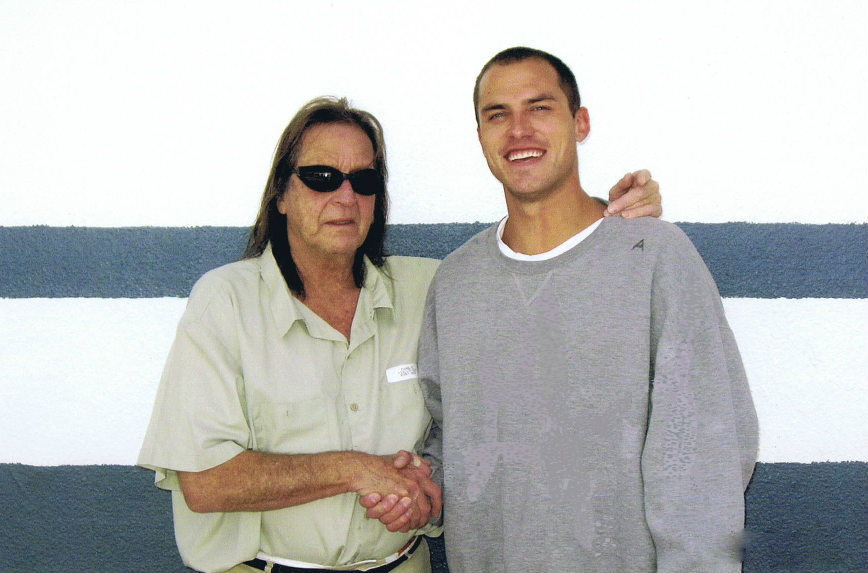
George Jung grew up in a middle‑class family in Weymouth, Massachusetts, where his father, Frederick Jung, owned a small business, and his mother was Ermine Jung. From an early age, George Jung demonstrated athletic talent and leadership on the high school football field. However, early brushes with the law hinted at a rebellious spirit; while still in high school, he was arrested for soliciting a prostitute, who turned out to be an undercover police officer. Despite these troubles, he graduated from Weymouth High School in 1961 and briefly attended the University of Southern Mississippi, contemplating a career in advertising before dropping out.
Discovering Drugs: The Entry into Smuggling
After college, George Jung’s life took a drastic turn when he began using marijuana recreationally. Soon, he realized the financial potential of selling the drug rather than just consuming it. By the late 1960s, he was part of a growing counter‑culture drug scene. A pivotal moment came in 1967, when a childhood friend highlighted the massive price difference of marijuana between California and the East Coast. This revelation sparked Jung’s first foray into drug trafficking, driven by a mix of entrepreneurial spirit and risk‑taking.
The Birth of a Marijuana Empire
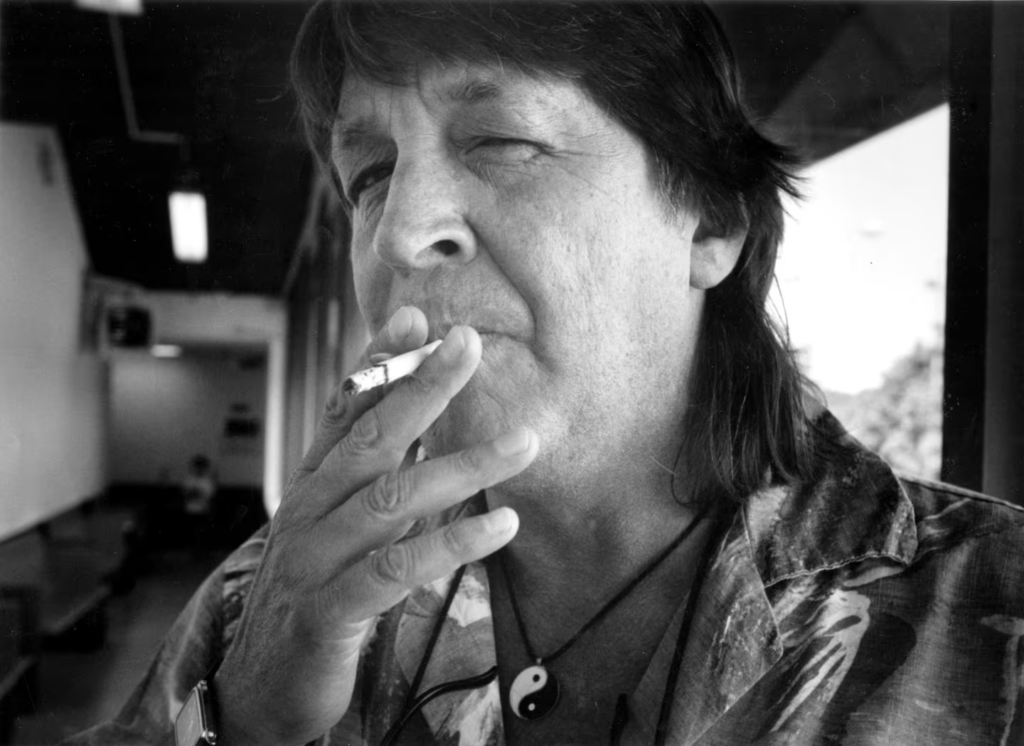
George Jung’s early operations began modestly but quickly grew in scale. He arranged for his flight attendant girlfriend to transport marijuana in her luggage, then expanded to flying larger amounts from Puerto Vallarta, Mexico, to New England. His smuggling methods became increasingly sophisticated: he chartered small private aircraft and hired pilots to transport hundreds of pounds of cannabis across state lines. At the peak of this operation, George Jung reported earnings of up to $250,000 per month, a massive income that fuelled his ambition to expand further.
First Major Arrest and Prison Encounter
This lucrative chapter came to an abrupt halt in 1974, when George Jung was arrested in Chicago with 660 pounds of marijuana in his possession. He was staying at the Playboy Club when federal agents intercepted the shipment after an associate snitched to reduce his own sentence. George Jung was charged and sent to Federal Correctional Institution, Danbury, for his crimes.
Meeting Carlos Lehder: Cocaine’s Turning Point

While serving time in Danbury, Jung met Carlos Lehder, a fellow inmate with powerful Colombian cartel connections. Lehder introduced Jung to the economics of cocaine trafficking — a much more profitable but dangerous enterprise. Jung was mesmerized by the potential profits, learning that a kilogram of cocaine could sell for exponentially more in the United States than in Colombia. This meeting was a turning point that launched Jung onto the international stage of the drug trade.
Partnership with the Medellín Cartel
After their release, Jung and Lehder partnered with the notorious Medellín Cartel, one of the most powerful drug syndicates in history. Working closely with cartel leadership, including indirect ties with Pablo Escobar, Jung pioneered new smuggling routes that brought thousands of pounds of cocaine into the United States. His operations at their peak accounted for a significant proportion of the cocaine entering the U.S. during the late 1970s and early 1980s.
Smuggling Innovations and Routes to Success
Jung became known for his ingenious methods of transporting drugs, including using private planes to land in remote desert locations before moving cargo by road. These techniques minimized law enforcement detection and allowed Jung to scale up shipments. He reportedly earned millions per flight, with some estimates suggesting daily revenues of $3–5 million, making him one of the most financially successful smugglers of his time.
The High Life: Wealth, Fame, and Notoriety
As his smuggling empire grew, so did Jung’s lifestyle. Lavish homes, expensive cars, and celebrity status among underground circles became part of his reality. The world of cocaine in the late 1970s and early 1980s was glamorous to many, with Studio 54 and elite social scenes blurring lines between fame and criminal notoriety. Jung basked in this status, equating his smuggling success with fame akin to rock stars.
Relationship and Family Struggles
During this period, Jung married Mirtha Jung, whom he met through his cartel connections. The couple welcomed a daughter, Kristina Sunshine Jung, in 1978. However, Jung’s lifestyle and Mirtha’s drug addiction strained their marriage, leading to separation in the early 1980s. These personal struggles foreshadowed the emotional consequences Jung would face later in life.
The Downfall: Major Arrests and Sentences
Jung’s world began to unravel with a series of dramatic law enforcement actions. In 1985, he was arrested again for drug trafficking, leading to a significant prison sentence. Though initially sentenced to a lengthy term, his cooperation against Carlos Lehder helped reduce his time behind bars. However, resorting back to trafficking resulted in another arrest in 1994, this time with 1,754 pounds of cocaine, overwhelming evidence that led to a 60‑year sentence on conspiracy charges.
Life Behind Bars: Reflection and Regret

Jung spent nearly two decades in federal prison, largely at Fort Dix Federal Correctional Institution in New Jersey and La Tuna Federal Correctional Institution in Texas. During this time, he reflected on his life choices, the costs of his lifestyle, and the deep personal losses he faced — especially concerning his relationship with his daughter, whom he rarely saw due to his frequent incarcerations.
Release and Later Life
After nearly 20 years in prison, Jung was released on June 2, 2014, thanks to good behavior and participation in rehabilitation programs. Adjusting to life outside prison was challenging: he lived in a halfway house in San Francisco, California, and worked to rebuild relationships with family and fans of his story.
Cultural Legacy: The Film Blow
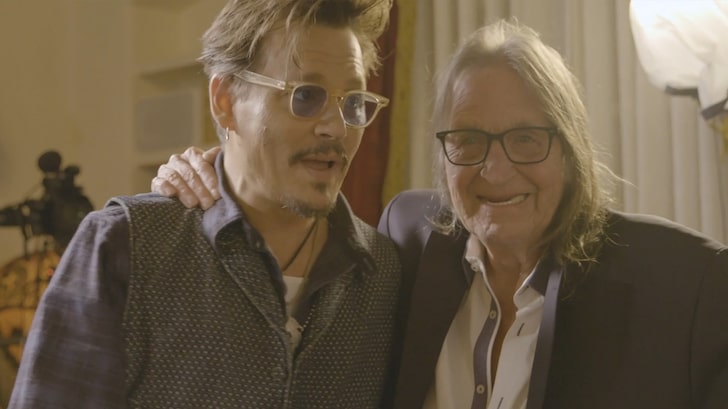
The 2001 biographical film Blow dramatized Jung’s life, portraying his rise and fall with Hollywood flair. Johnny Depp’s portrayal brought Jung’s story to global audiences, turning an infamous criminal into a pop‑culture figure. The film, based on Bruce Porter’s book Blow: How a Small Town Boy Made $100 Million with the Medellín Cocaine Cartel and Lost It All, remains one of the most recognized portrayals of American drug trade history.
Health Decline and Passing
In his later years, Jung faced serious health challenges, including liver and kidney failure. He spent his final days in hospice care at his Weymouth, Massachusetts home, passing away on May 5, 2021, at age 78. His death was announced with a quotation from Blow, symbolizing the enduring ties between his life and its cinematic depiction.
Lessons From a Turbulent Life
George Jung’s story is a potent mix of ambition, risk, talent, and consequence. He was not just a trafficker of drugs — he was a figure who shaped an entire era of U.S. narcotics history. His life illustrates the lure of quick wealth, the perils of criminal choices, and the emotional costs that often accompany them.
Conclusion: The Legacy of George Jung
George Jung remains one of the most controversial and talked‑about figures in American criminal history. From humble beginnings in Massachusetts to the heights of international drug trafficking, his story has fascinated the public, been immortalized in film, and served as a cautionary tale about choices and consequences. His influence on the cocaine trade during the 1970s and 1980s was immense, and his personal reflections later in life underscore the profound costs of the empire he built.
Frequently Asked Questions (FAQs)
1. Who was George Jung?
George Jung was an American drug trafficker famous for helping smuggle large quantities of cocaine into the United States as part of the Medellín Cartel during the 1970s and 1980s.
2. What inspired the film Blow?
The film Blow (2001) was inspired by Jung’s life and career, bringing his story to mainstream audiences through Hollywood dramatization.
3. How much cocaine did George Jung traffic?
At the height of his operation, Jung was responsible for facilitating a major portion of the cocaine entering the U.S., with some estimates indicating involvement in up to 85% of smuggled cocaine during peak years.
4. Why was Jung imprisoned?
Jung was arrested multiple times; his final arrest in 1994 led to a 60‑year sentence for conspiracy to traffic cocaine.
5. When was George Jung released from prison?
He was released from federal prison on June 2, 2014, after serving nearly 20 years.
6. Did Jung have a family?
Yes, he had a daughter, Kristina Sunshine Jung, and was previously married to Mirtha Jung, though their relationships were strained due to his lifestyle.
7. How did George Jung die?
Jung died on May 5, 2021, at his home in Weymouth, Massachusetts, while suffering from liver and kidney failure.