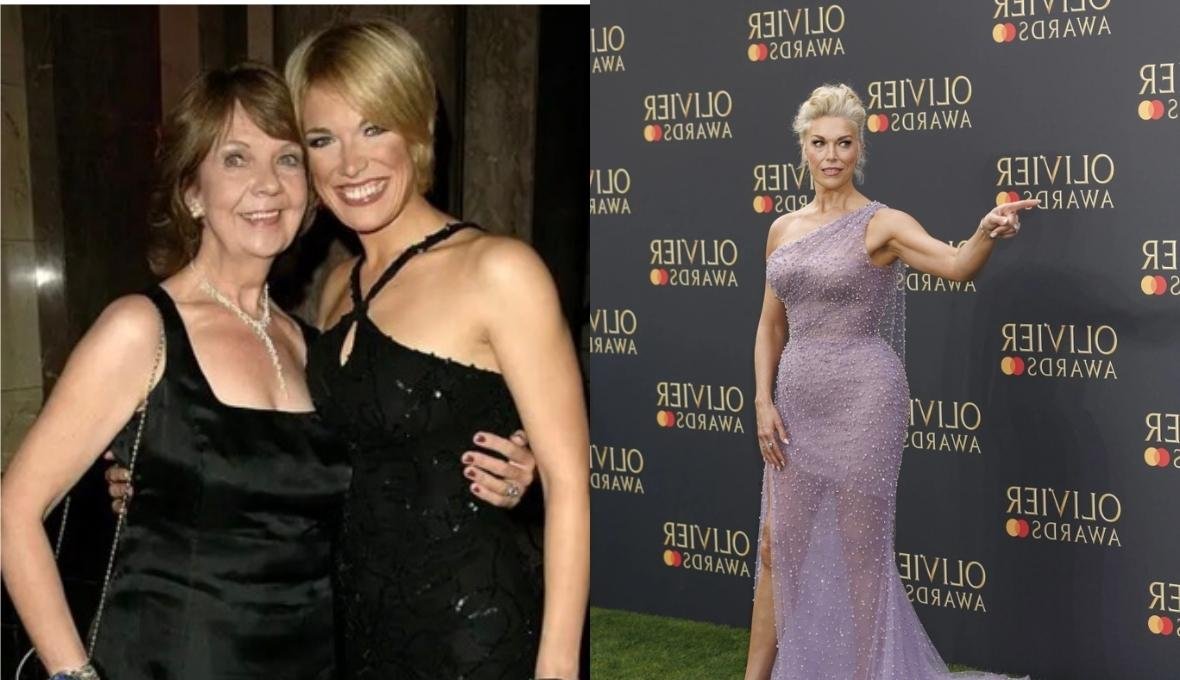
The world of high art and global entertainment is frequently built upon quiet, foundational legacies that shape history away from the absolute glare of mainstream cameras. While modern audiences routinely celebrate award-winning icons across television screens and musical theater stages, the roots of that distinct talent often trace back to classical pioneers who spent decades mastering their vocal craft. Melodie Kelly stands as a towering example of this artistic lineage, a classically trained British opera singer whose extraordinary twenty-eight-year career with the English National Opera helped define an era of British vocal performance.
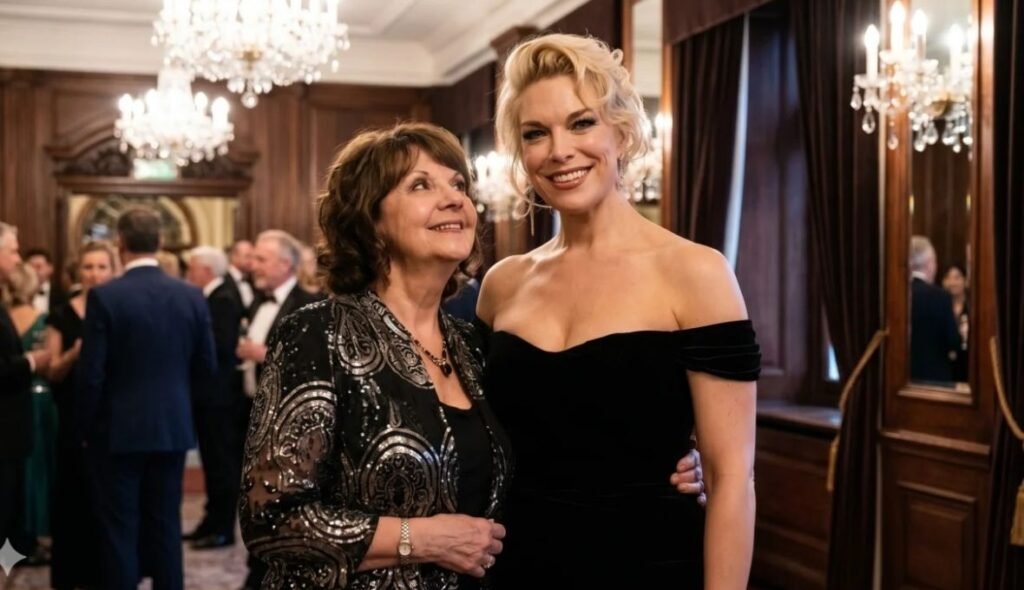
Beyond her individual accomplishments under the bright lights of the stage, she is celebrated globally as the mother of the Emmy-winning Ted Lasso star and celebrated musical theater actress Hannah Waddingham. In a family where multi-generational musical excellence is not a mere hobby but a profound calling, her story reveals a fascinating journey of heritage, discipline, and maternal mentorship. Understanding her history provides a deeper look into the creation of a modern entertainment dynasty.
| Full Name | Melodie Kelly |
| Profession | Classically trained Opera Singer (Soprano) & Actress |
| Vocal Training | Trinity College London (Voice, Piano, and Violin) |
| Major Opera Houses | Royal Opera House (Covent Garden), English National Opera (London Coliseum) |
| Career Longevity | 28-year tenure as a permanent member of the English National Opera chorus |
| Notable Opera Productions | Dialogues of the Carmelites (Poulenc), The Mikado (Gilbert & Sullivan) |
| Filmography | Appeared as a retired musician in Quartet (2012), directed by Dustin Hoffman |
| Birthplace / Heritage | Isle of Man (Proud Manx heritage; associated with Port Erin and Port St Mary) |
| Education | Rushen Primary School, Castle Rushen High School (Mentored by Harry Pickard) |
| Parents | Both were professional opera singers who met through the Choral Union |
| Children | Two children, including Emmy-winning Ted Lasso star Hannah Waddingham |
| Grandchildren | Kitty (Daughter of Hannah Waddingham) |
| Retirement Year | Retired from the English National Opera in 2010 |
| Affiliations | Active member and supporter of the London Manx Society |
The Roots of a Musical Dynasty
To understand the profound artistry of Melodie Kelly, one must trace her lineage back to an era where classical music served as the bedrock of community entertainment. Born into an environment overflowing with classical melodies, her path toward the grand opera stage seemed almost predestined from her earliest childhood moments. Both of her own parents were highly accomplished, professional opera singers who performed throughout the mid-twentieth century, establishing a rich tradition of vocal perfection within the household. From listening to Handel’s Messiah as a young girl to observing her family’s daily vocal warm-ups, she was immersed in a world of complex harmonies, technical phrasing, and deep dramatic storytelling.
Growing up in a proud Manx family with strong roots in Port Erin on the Isle of Man, she absorbed a vibrant regional appreciation for community music and classical arts. Her parents initially met through the local Choral Union, binding their romantic and professional lives tightly to the power of song. In this uniquely supportive environment, artistic expression was never viewed as a frivolous pursuit, but rather as an essential, deeply respected calling that required intense focus and daily reverence. This singular upbringing instilled a powerful work ethic that would eventually carry her from regional schools directly to the prestigious concert halls of London.
Early Life and Childhood on the Isle of Man
Her formative years were deeply shaped by the scenic landscapes and close-knit communities of the Isle of Man, where her family relocated during her youth. She attended Ingleby School in Douglas before moving down to Rushen Primary School after her father bought Cooil’s Cafe in Port St Mary in the year 1952. This transition allowed her to experience the dual realities of a classic coastal upbringing alongside her increasingly demanding independent musical training. Even as a child, her innate musicality stood out dramatically to local educators and visiting musical adjudicators who recognized a rare vocal maturity.
The turning point of her youth arrived when she entered Castle Rushen High School, coming under the direct mentorship of legendary local music educator Harry Pickard. Alongside his son, Alan Pickard, Harry was single-handedly responsible for advancing the classical music scene across the entire region. They operated under a beautiful philosophy that every single child should be empowered to create music, whether by playing an instrument or singing. Recognizing her generational raw vocal talent, Harry aggressively encouraged the young girl to pursue formal auditions at the highest level in London, forever altering her life.
Classical Training at Trinity College London
With the unwavering support of her family and mentors, she left her island home behind to audition for the elite Trinity College London, one of the world’s premier music conservatories. She successfully secured a coveted placement, embarking on an exhaustive, multi-disciplinary course of study that pushed her artistic boundaries. While her primary focus remained centered on operatic vocal production, she also mastered both the piano and violin, developing a profound, well-rounded understanding of music theory. This comprehensive training allowed her to analyze complex orchestral scores with the precision of a seasoned conductor.
Adapting to the fast-paced, competitive atmosphere of London was a massive shift for a young woman raised in a peaceful island environment. The rigorous daily schedule demanded hours of technical vocalization, language diction mastery, and intense dramatic character analysis. Her time at Trinity College London refined her raw, powerful natural vocal range into a flexible, highly expressive instrument capable of projecting over massive acoustic orchestras without modern amplification. This elite educational foundation paved the way for her immediate entry into the highly competitive professional British theater industry.
Stepping Into the Professional Arena
Upon completing her grueling conservatory training, she immediately transitioned into the professional performing circuit, showcasing her versatile vocal abilities across multiple genres. Her very first professional engagement out of college was joining the prestigious national touring production of the iconic musical My Fair Lady. This experience provided her with vital, real-world knowledge regarding the exhausting demands of theatrical life, including constant travel, consecutive performance schedules, and the necessity of preserving one’s vocal health under intense pressure.
While musical theater offered initial commercial success, her true artistic calling remained firmly anchored within the complex world of classical opera. The rigorous demands of standard operatic repertoire required a level of vocal stamina and theatrical discipline that few performers could maintain over a lifetime. Her early success in touring productions quickly caught the attention of major classical casting directors throughout the capital city, setting the stage for an enviable ascent into the premier ranks of classical British opera houses.
The Royal Opera House Milestones
Her undeniable vocal talent eventually opened the doors to the world-renowned Royal Opera House at Covent Garden, an elite milestone for any classical singer. Performing within this historic venue, she shared the stage with some of the most legendary figures in classical music history. She sang under the baton of globally celebrated conductors, including the brilliant Sir Colin Davis, the visionary Georg Solti, and the revered Sir Malcolm Sargent. Working alongside these demanding musical masters elevated her artistry, pushing her technical execution to absolute world-class standards.
Her time at Covent Garden immersed her in the absolute pinnacle of high operatic art, performing historic masterworks in their original languages to highly critical global audiences. The sheer scale of these productions, combined with the uncompromising musical standards enforced by conductors like Solti, solidified her reputation as an incredibly reliable, artistically expressive operatic soprano. This period of high-level performance defined her early professional adulthood, firmly cementing her status within the upper echelons of the classical British music scene.
A Decade Dedicated to Family Life
At the absolute height of her early vocal career, she made a deeply personal and deliberate choice to step away from the grueling demands of international opera houses. She chose to embark on an eleven-year hiatus from professional performing to focus entirely on raising her two children, including her daughter Hannah. In an industry that frequently demands total, unyielding devotion at the expense of family stability, her decision to prioritize her home life highlighted her profound commitment to motherhood.
During this decade-long intermission from the professional stage, she transformed her family home into a vibrant, living classroom of artistic expression. Rather than completely silencing her gift, she used these years to instill a deep, natural appreciation for the performing arts within her children. This period of maternal dedication ensured that her children grew up surrounded by the beautiful sounds of classical rehearsals, creating an organic, subconscious artistic foundation that would later fuel her daughter’s historic rise to global stardom.
The English National Opera Career
Following her extended family hiatus, she made a triumphant, high-profile return to the classical stage by officially joining the permanent chorus of the prestigious English National Opera (ENO). This marked the beginning of an astonishing, historic twenty-eight-year tenure with the company, an exceptional feat of vocal longevity and professional consistency. The ENO, performing primarily at the iconic London Coliseum, was famous for its accessible, innovative productions sung entirely in English, requiring a unique clarity of diction from its vocalists.
Throughout her nearly three decades with the company, she became an indispensable pillar of the ensemble, anchoring countless critically acclaimed productions. Her career spanned a massive variety of styles, ranging from dark, intense religious tragedies to light, witty comedic operettas. Her absolute reliability, combined with a deeply refined vocal technique that survived decades of continuous performance, made her a respected veteran leader within the tight-knit operatic community of London.
Iconic Performances and Masterworks

During her extensive twenty-eight-year career at the English National Opera, she performed in many of the most celebrated masterworks in the classical vocal canon. Among her most notable and personally memorable runs were the deeply moving performances of Poulenc’s tragic masterpiece, Dialogues of the Carmelites. This intense opera, which demands immense emotional depth and vocal control, allowed her to showcase her incredible dramatic acting abilities alongside her classical vocal training.
In stark contrast to the heavy, solemn themes of religious tragedy, she also excelled beautifully in the whimsical, lightning-fast comedic worlds of Gilbert and Sullivan. Her performances in The Mikado were highly celebrated, demonstrating her remarkable comedic timing, physical theater skills, and crystal-clear English diction. This rare ability to transition effortlessly between profound operatic tragedy and lighthearted musical satire defined her vast artistic range as a premier ensemble performer.
Raising a Star: The Mother of Hannah Waddingham
While her operatic achievements are deeply respected by classical purists, her most visible enduring legacy is her profound influence on her daughter, the multi-award-winning actress and singer Hannah Waddingham. Born in Wandsworth, London, in the year 1974, Hannah essentially grew up inside the historic walls of the London Coliseum. Because her mother joined the English National Opera when Hannah was just eight years old, the young girl spent her formative childhood years sitting in empty theater stalls, watching her mother rehearse complex scores for hours on end.
This immersive exposure served as a masterclass in professional performance, discipline, and artistic respect. Hannah frequently notes in major interviews that she learned her legendary four-octave vocal range and commanding stage presence simply by absorbing her mother’s classical technique through osmosis. Rather than pushing her daughter into the industry through aggressive stage-parenting, she simply allowed her daughter to witness the daily reality, hard work, and profound joy of a professional vocal career.
The London Coliseum as a Childhood Classroom
The majestic London Coliseum, with its sweeping Edwardian architecture and massive, historic revolving stage, served as an unconventional but magical childhood playground for the young family. While other children were playing standard playground games, Hannah was navigating the winding backstage corridors, watching costume designers sew intricate garments, and observing makeup artists transform ordinary singers into mythic gods and historical figures.
This unique environment completely demystified the daunting world of professional theater for her daughter. It taught her to view the stage not as an intimidating, unachievable dream, but rather as a natural, welcoming home where hard work transformed text and music into living art. The deep reverence for the ensemble, the profound respect for crew members, and the absolute punctuality required by opera companies were all naturally absorbed by her daughter during these long, magical afternoons spent at her mother’s workplace.
Shifting From Opera to the Silver Screen
After giving her final bow on the professional operatic stage and officially retiring from the English National Opera in the year 2010, she unexpectedly found herself embarking on an exciting new creative adventure. Following a peaceful celebratory vacation back to her beloved Isle of Man, she received an unexpected professional phone call inviting her to join the cast of a major Hollywood feature film. This surprise opportunity allowed her to transition her classical talents from the acoustic opera house directly onto the silver screen.
She was cast in the critically acclaimed film Quartet, which was directed by the legendary Oscar-winning actor and filmmaker Dustin Hoffman. Released in the year 2012, the heart-warming film focused on a specialized retirement home for elderly, highly gifted professional musicians, making her real-life career background absolutely perfect for the project’s creative authenticity.
The Experience of Filming “Quartet”
The production of Quartet took place on location at the beautiful, historic Hedsor House near Taplow, providing an elegant and inspiring backdrop for the cast. Having spent her entire life working inside the high-pressure, fast-paced environments of live theater houses, she thoroughly enjoyed the luxury and meticulous care provided to performers on a major cinematic film set. The film allowed her to work alongside a legendary cast of British acting royalty, including Dame Maggie Smith, Sir Billy Connolly, Tom Courtenay, and Pauline Collins.
She was deeply impressed by the genuine kindness and musical passion displayed by director Dustin Hoffman. A gifted musician himself, Hoffman would frequently join the cast of retired classical artists after long days of shooting to sing songs and play classical melodies on the piano. The film served as a beautiful, public celebration of her generation of classical musicians, allowing her family, friends, and the members of the London Manx Society to spot her performing proudly on the global cinema screen.
A Shared Path of Single Motherhood
Beyond their deeply intertwined professional lives and shared musical passions, she and her daughter Hannah share a profound personal bond forged through the parallel journeys of single motherhood. In recent years, Hannah has spoken openly and eloquently about the complex challenges of balancing a high-profile, demanding global television career with raising her young daughter, Kitty. In navigating these intense emotional and logistical hurdles, she has consistently credited her mother as her ultimate source of daily strength and inspiration.
Having watched her mother carefully balance the intense, erratic schedules of opera seasons with maintaining a loving, structured, and art-filled home life, Hannah found a perfect blueprint to emulate. The quiet resilience, emotional stability, and unyielding support she provided during her own children’s youth became the exact framework her daughter used to navigate modern Hollywood success without losing her grounding or her deep commitment to family values.
Cultural Impact and Lasting Artistic Legacy
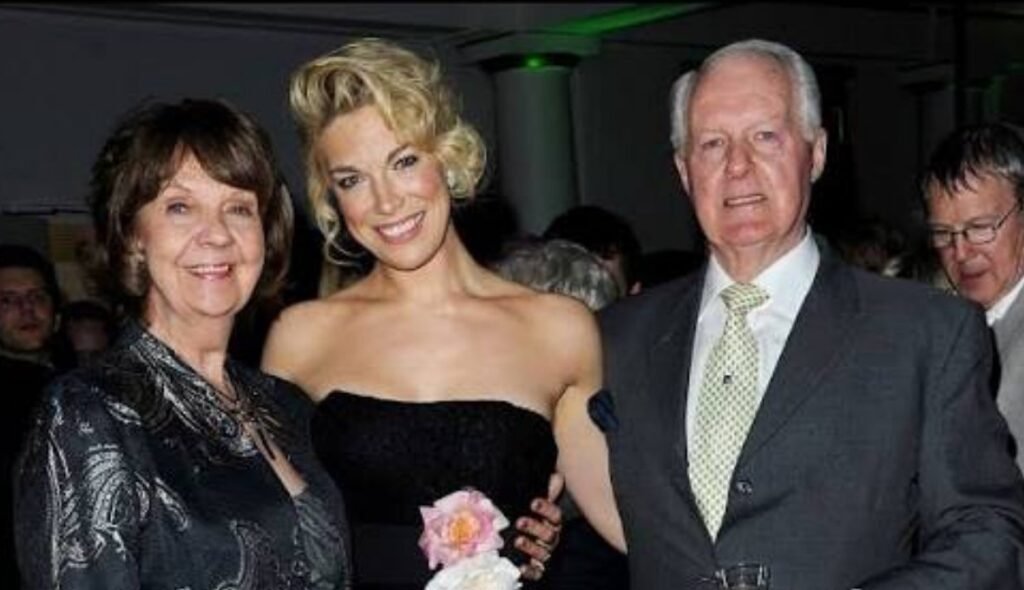
The artistic impact of Melodie Kelly radiates outward through the continued success of the multi-generational performers she has directly influenced, trained, and inspired. Within the classical music community, her twenty-eight years of continuous service to the English National Opera represent an era of absolute dedication to making high art accessible to the general British public. Her work helped sustain the vital cultural ecosystem of live British opera through economic shifts and theatrical evolutions.
In the broader landscape of modern popular culture, her legacy is vividly apparent every single time her daughter takes the stage or commands a television screen. The effortless vocal power, the precise dramatic timing, and the magnetic presence that global audiences adore in Ted Lasso are the direct, living results of her classical genes and maternal mentorship. She successfully passed the torch of a three-generation musical lineage down to a new century, securing her family’s place in entertainment history.
Conclusion:
In reflecting upon the incredible life and career of Melodie Kelly, one sees a beautiful tapestry woven from deep musical discipline, profound family traditions, and an enduring love for performance. From her early childhood roots listening to classical choruses on the Isle of Man to performing under the world’s greatest conductors at Covent Garden and the London Coliseum, she has lived a life completely dedicated to the perfection of vocal art.
Her story reminds us that behind every great cultural phenomenon, there are often decades of quiet, disciplined excellence paving the way. As a premier operatic soprano, a dedicated mother, and a cinematic performer, she has carved out a unique, deeply respected space within British entertainment history. Her voice lives on, not only in the archival memories of the English National Opera, but in the vibrant, generational talent that continues to captivate millions around the globe.
Frequently Asked Questions
Who is Melodie Kelly?
She is a highly accomplished, classically trained British opera singer who enjoyed a celebrated twenty-eight-year career performing with the English National Opera. She is also widely recognized as the mother of the Emmy-winning television and musical theater star Hannah Waddingham.
Which opera companies did she perform with during her career?
During her long and illustrious professional career, she performed with both the prestigious Royal Opera House at Covent Garden and spent nearly three decades as a core member of the English National Opera based at the London Coliseum.
What movie did Melodie Kelly appear in after her retirement?
Following her official retirement from live opera in the year 2010, she was cast in the 2012 comedy-drama film Quartet. The film was directed by Dustin Hoffman and focused on the lives of retired professional classical musicians.
Where did Melodie Kelly grow up?
She was raised in a highly musical Manx family on the beautiful Isle of Man, where she attended local schools, including Castle Rushen High School, before moving to London to study at Trinity College London.
How did her career influence her daughter Hannah Waddingham?
Because she joined the English National Opera when her daughter was only eight years old, Hannah grew up inside the theater. She absorbed her mother’s classical vocal techniques, four-octave range, and stage discipline by watching her rehearse daily.