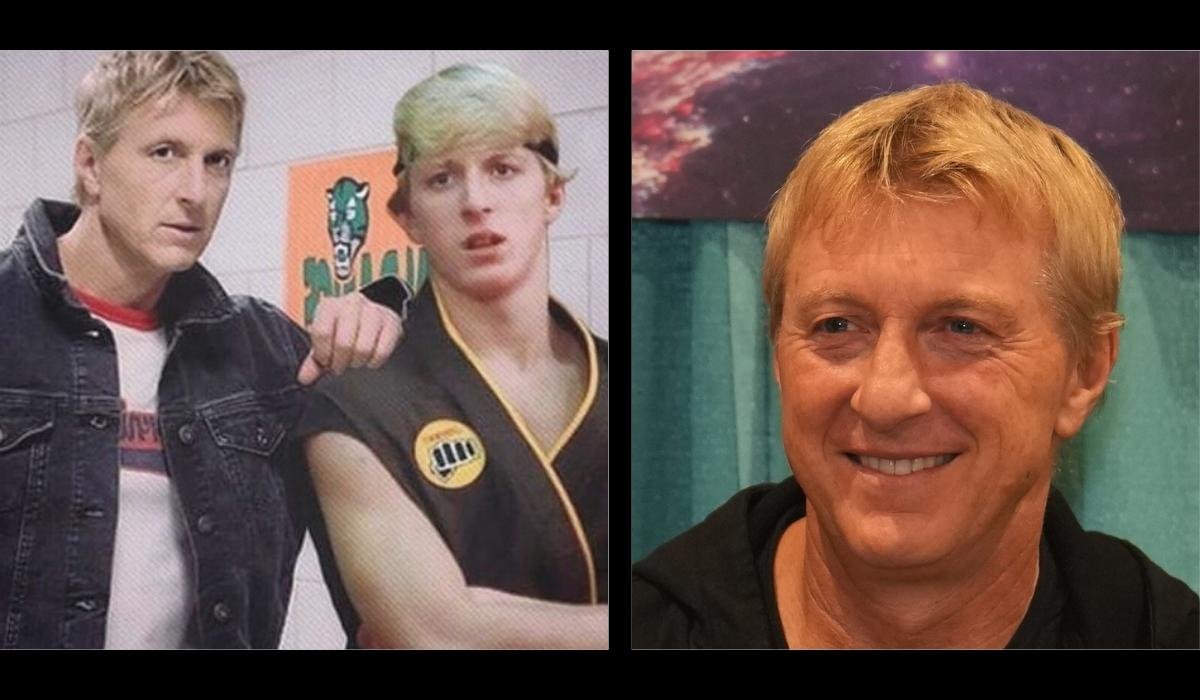
William Zabka is widely recognized as one of the most memorable faces of 1980s cinema, celebrated for transforming the role of a high‑school antagonist into a layered and emotionally complex character. Born on October 20, 1965, in New York City, he rose to fame through The Karate Kid franchise and later reinvented his career with the globally successful series Cobra Kai. Over four decades, William Zabka has evolved from teen star to respected actor, writer, producer, and director. His journey reflects persistence, adaptability, and artistic maturity. This biography explores his childhood, career milestones, creative ventures, personal life, and cultural legacy, presenting a complete portrait of a man who continues to shape modern entertainment with dedication and authenticity.
William Zabka Bio
| Attribute | Details |
|---|---|
| Full Name | William Michael Zabka |
| Date of Birth | October 20, 1965 |
| Place of Birth | New York City, USA |
| Occupation | Actor, Writer, Producer, Director |
| Known For | Johnny Lawrence in The Karate Kid series and Cobra Kai |
| Notable Works | The Karate Kid (1984), Back to School (1986), Most (2003), Cobra Kai (2018–present) |
| Awards & Nominations | Academy Award nomination for Most (2004), various Cobra Kai nominations |
| Martial Arts Training | Trained for The Karate Kid, continues to practice for fitness and authenticity |
| Parents | Stanley William Zabka (father), Nancy Heimert (mother) |
| Spouse | Stacie Zabka (married 2008) |
| Children | 2 |
| Years Active | 1984–present |
| Legacy | Influential 1980s actor, successful career reinvention, cultural icon through Cobra Kai |
Early Life and Family Background
Born to Stanley William Zabka, a respected film director and composer, and Nancy Heimert, a producer and business liaison, William Zabka grew up immersed in Hollywood’s creative environment. His parents’ involvement in film and television exposed him early to storytelling, production, and performance. Although raised in New York, his family later relocated to California, allowing him to attend schools near major studios. Despite his athletic build and natural confidence, Zabka initially aspired to become a filmmaker rather than an actor. He studied filmmaking techniques during his teenage years, which later helped shape his storytelling abilities. This balanced upbringing between creativity and discipline laid the foundation for his long‑term success in the entertainment industry.
Discovering Acting and Early Training

William Zabka’s entry into acting was largely unplanned. While studying filmmaking, he was encouraged to audition for student projects and commercials, where his natural screen presence quickly became evident. He trained in drama while continuing his technical education, developing an understanding of both performance and behind‑the‑camera production. His early auditions highlighted his athletic background, confidence, and expressive features, qualities that casting directors found compelling. By the early 1980s, he had secured small television appearances that sharpened his skills. These formative years gave William Zabka practical experience and professional discipline, preparing him for the breakthrough role that would soon define an entire generation of moviegoers.
Breakthrough with The Karate Kid (1984)
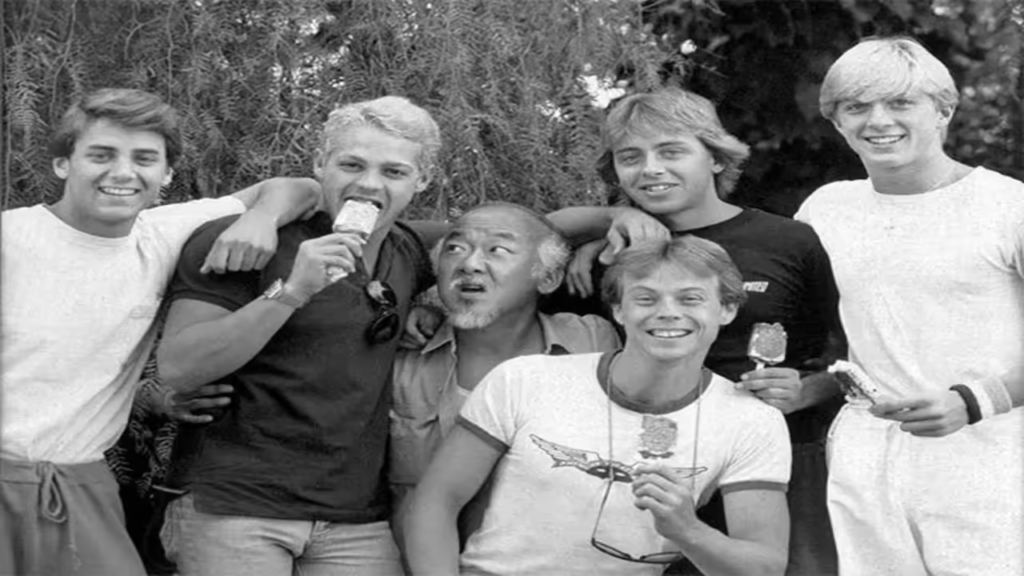
In 1984, William Zabka achieved international fame after portraying Johnny Lawrence in The Karate Kid. Despite having minimal martial arts training before casting, he trained rigorously to perform the demanding fight sequences convincingly. His portrayal of Johnny balanced aggression with vulnerability, creating a character that resonated deeply with audiences. The film became a cultural phenomenon, grossing millions worldwide and establishing Zabka as a household name. Unlike stereotypical villains, his character revealed emotional depth and internal conflict, which later allowed reinterpretation decades afterward. This performance not only launched his career but also solidified William Zabka’s reputation as a talented and disciplined young actor.
The Johnny Lawrence Character and Cultural Impact

Johnny Lawrence quickly became one of the most recognizable characters in 1980s cinema. William Zabka’s nuanced performance showed that antagonists could possess emotional complexity, insecurity, and a troubled background. Many fans later argued that Johnny was misunderstood, an idea explored in later adaptations. The character symbolized teenage rivalry, social class conflict, and the emotional struggles of youth. Over time, audiences developed renewed sympathy for Johnny’s perspective, further enhancing Zabka’s legacy. This reinterpretation demonstrated how William Zabka had helped create a character capable of evolving across generations. His performance continues to be studied in pop‑culture discussions, film retrospectives, and modern television narratives.
Expanding His Career in the Late 1980s
Following The Karate Kid, William Zabka appeared in several successful films, including Just One of the Guys (1985), Back to School (1986), and The Karate Kid Part II (1986). These roles reinforced his image as a charismatic and physically imposing performer. However, he consciously avoided being typecast by seeking more diverse characters. He also made frequent television appearances, expanding his acting range and professional reputation. During this period, he balanced commercial success with artistic growth, refining his craft and developing a deeper understanding of character psychology. These years cemented William Zabka as a reliable presence in Hollywood productions.
Transition to Writing and Producing
In the 1990s, William Zabka gradually shifted his focus toward writing and producing. He sought greater creative control and the opportunity to tell meaningful stories beyond acting roles. This transition allowed him to explore new perspectives and experiment with narrative structure. He began collaborating on independent film projects, gaining recognition behind the camera. Zabka’s commitment to storytelling resulted in critically praised short films and screenplays. His ability to blend emotional realism with compelling drama demonstrated artistic maturity. This phase marked his transformation from teen idol to versatile filmmaker, broadening the scope of his career and establishing him as a multifaceted contributor to the entertainment industry.
Oscar-Nominated Short Film: Most
One of William Zabka’s most significant achievements as a writer and producer came with the short film Most (2003). The emotionally powerful story received an Academy Award nomination for Best Live Action Short Film in 2004. The project highlighted his storytelling sensitivity and moral depth, earning praise from critics and film scholars alike. This recognition elevated his professional standing and proved that his talents extended far beyond acting. The nomination remains a defining milestone in his career, showcasing his ability to craft meaningful narratives that resonate with audiences worldwide. William Zabka’s success with Most demonstrated his dedication to artistic excellence.
Challenges of Typecasting and Career Reinvention
Like many actors associated with iconic roles, William Zabka faced the challenge of typecasting. Hollywood often viewed him primarily as the stereotypical antagonist, limiting casting opportunities. Rather than resisting the label, he eventually embraced and redefined it. By shifting to independent projects and creative writing, he avoided stagnation and maintained relevance. This strategic reinvention allowed him to develop a broader professional identity. His persistence and adaptability ensured continued involvement in the industry during periods when mainstream roles were limited. William Zabka’s resilience during these years demonstrated professional maturity and a willingness to evolve creatively.
Return to Fame with Cobra Kai
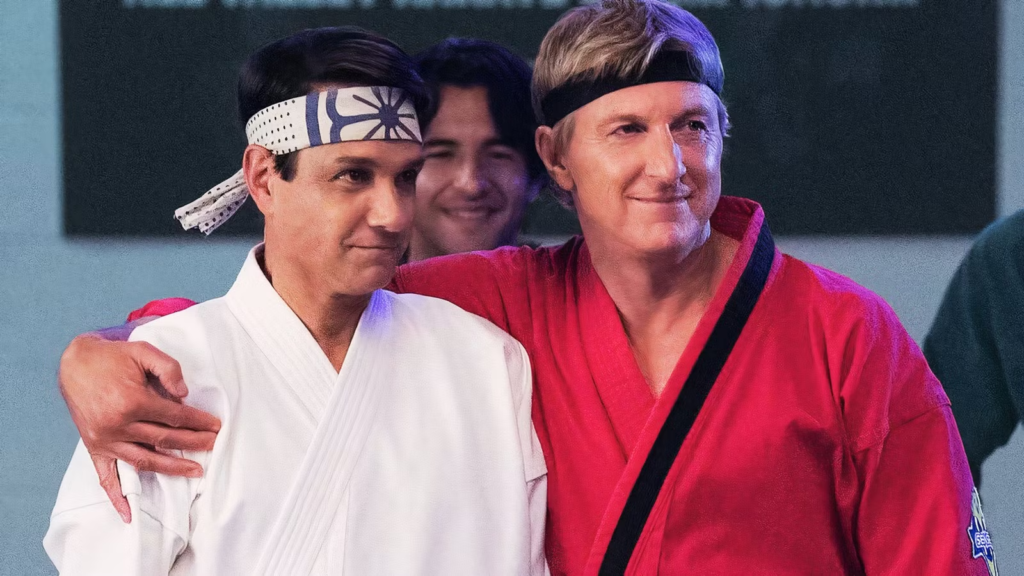
In 2018, William Zabka experienced a remarkable resurgence with the release of Cobra Kai. Reprising his role as Johnny Lawrence, he presented a mature, emotionally complex version of the character. The series explored themes of redemption, failure, and second chances, offering audiences a fresh perspective. Zabka’s performance received critical acclaim for its authenticity and humor. The show became a global success, introducing him to a new generation of viewers while satisfying longtime fans. This revival solidified William Zabka’s place as both a nostalgic icon and a contemporary television star.
Johnny Lawrence’s Redemption Arc
The narrative focus of Cobra Kai allowed William Zabka to fully explore Johnny Lawrence’s emotional growth. The character transformed from a troubled former bully into a flawed yet compassionate mentor. Zabka’s performance balanced humor, vulnerability, and determination, making the character deeply relatable. Critics praised his ability to portray middle‑aged insecurity, regret, and hope with subtle realism. This redemption arc became central to the show’s popularity and cultural relevance. By revisiting his most famous role, William Zabka redefined its meaning, proving that complex character development can transcend decades and reshape public perception.
Awards, Recognition, and Critical Acclaim
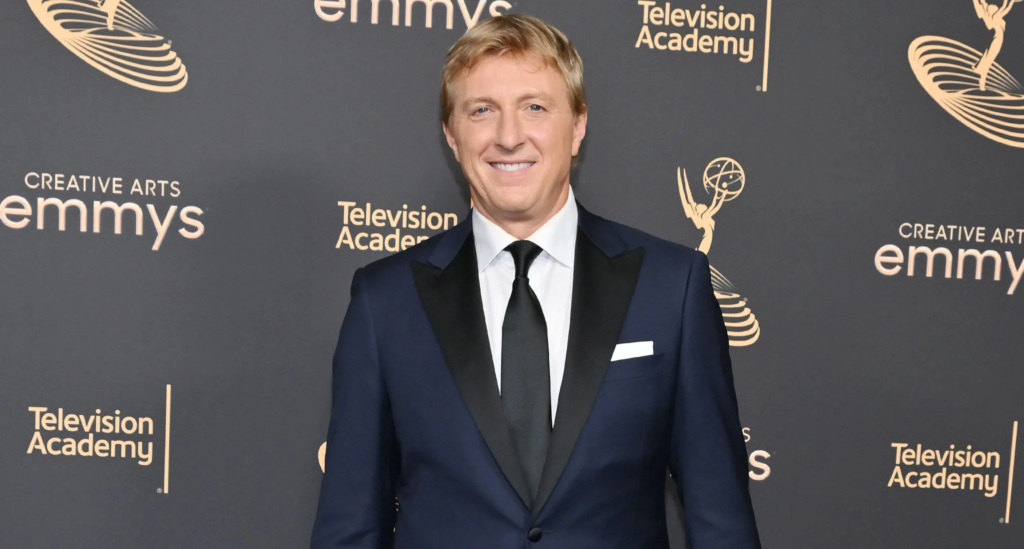
Throughout his career, William Zabka has received numerous accolades, particularly for his work on Cobra Kai. He earned multiple award nominations and ensemble recognitions, highlighting his contribution to the show’s success. Industry professionals admire his commitment to character authenticity and emotional depth. His Oscar‑nominated short film remains a testament to his creative versatility. These achievements reflect decades of dedication to the craft of storytelling. Rather than relying solely on past fame, Zabka continually seeks artistic growth. His recognition underscores a career built on resilience, reinvention, and consistent professional excellence.
Personal Life and Values
William Zabka maintains a notably private personal life. He married Stacie Zabka in 2008, and the couple has two children. Despite fame, he prioritizes family stability and personal balance, often avoiding unnecessary public attention. Known for his humility and professionalism, he supports various charitable initiatives, particularly those focused on children and education. Zabka has spoken about the importance of discipline, empathy, and creative integrity. These values shape both his personal relationships and professional decisions, contributing to his reputation as a grounded and thoughtful individual within the entertainment industry.
Frequently Asked Questions About William Zabka
- Who is William Zabka?
William Zabka is an American actor, writer, producer, and director, best known for playing Johnny Lawrence in The Karate Kid films and Cobra Kai. - When was William Zabka born?
He was born on October 20, 1965, in New York City, USA. - Is William Zabka trained in martial arts?
He was not a trained martial artist before The Karate Kid, but he trained intensively for the role and continues to practice martial arts. - What are William Zabka’s most famous works?
His notable works include The Karate Kid (1984), The Karate Kid Part II (1986), Back to School (1986), and the TV series Cobra Kai (2018–present). - Has William Zabka received any awards or nominations?
Yes, he earned an Academy Award nomination for the short film Most in 2004 and several nominations for his role in Cobra Kai. - Is William Zabka married and does he have children?
Yes, he married Stacie Zabka in 2008, and the couple has two children.