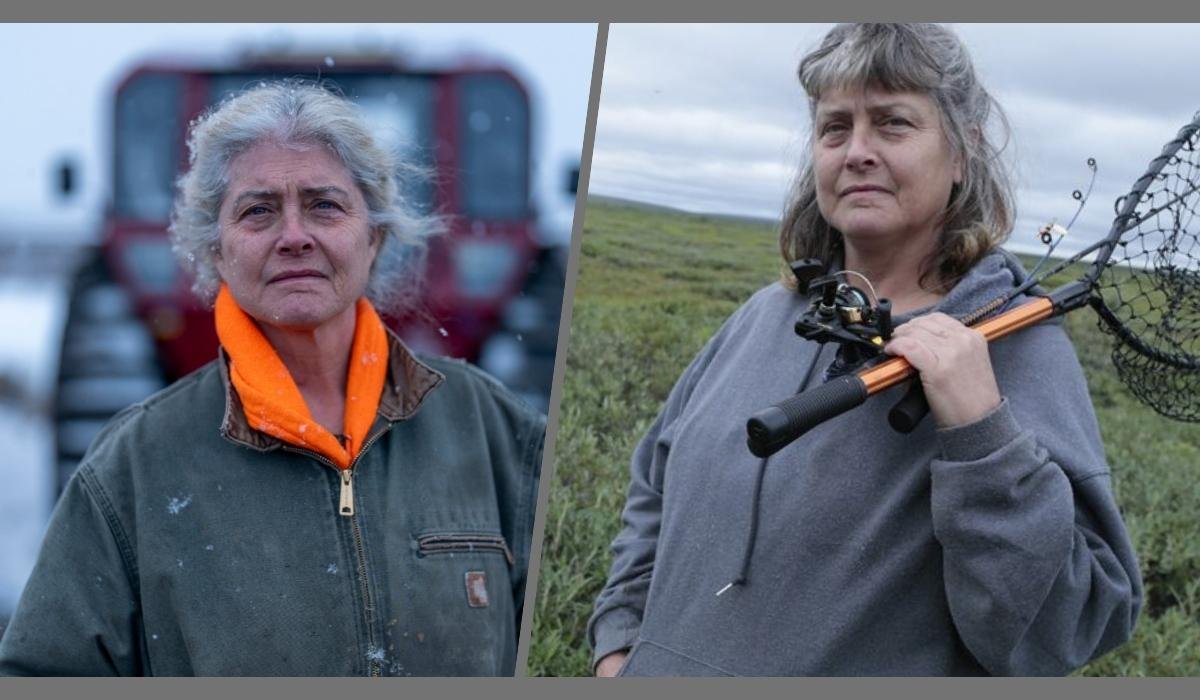
The name Sue Aikens has become synonymous with resilience, grit, and the raw beauty of the Alaskan wilderness. As a primary cast member of the hit National Geographic series Life Below Zero, Sue Aikens Life Below Zero has captivated millions of viewers worldwide. Living nearly 200 miles north of the Arctic Circle, Sue exemplifies the spirit of independence. While many see the Arctic as a frozen wasteland, she sees it as her “frozen sandbox,” a place where the rules of modern society are replaced by the laws of nature. Her journey is not just about survival; it is about thriving in a world where one mistake can be fatal.
Born on July 1, 1963, Sue Aikens did not start her life in the tundra. Her path to becoming a legendary survivalist began after a series of life-altering events led her to the remote reaches of Alaska. For over a decade, fans have watched her battle sub-zero temperatures, manage the legendary Kavik River Camp, and outsmart predators like grizzly bears and wolves. Today, she remains a symbol of female empowerment and a testament to what the human spirit can achieve when stripped of modern luxuries and forced to rely on sheer willpower.
Sue Aikens Quick Facts
| Full Name | Sue Aikens |
| Birth Date | July 1, 1963 |
| Birth Place | Mount Prospect, Illinois, USA |
| Current Residence | Kavik River Camp, Alaska (North Slope) |
| Profession | Survivalist, Camp Manager, Producer, TV Personality |
| Primary Show | Life Below Zero (National Geographic) |
| Famous For | Operating a camp 197 miles north of the Arctic Circle |
| Notable Event | Survived a 2007 grizzly bear attack |
| Children | One daughter (35) and one son (32) |
| Grandchildren | Three (as of last major update) |
| Business | Kavik River Camp (Refueling station and B&B) |
| Estimated Net Worth | $500,000 – $1.5 Million |
| Personal Motto | “If it hurts, don’t think about it.” |
Early Life and Move to the Last Frontier
Long before Sue Aikens Life Below Zero fame, she was a young girl navigating a difficult childhood. Originally from Illinois, her life took a dramatic turn when her parents divorced. She eventually moved to Alaska as a young child, an event that would define her future. Growing up in the “Last Frontier” allowed Sue to develop a deep-seated connection with nature. She learned early on that the wilderness does not care about your feelings; it only rewards preparation and strength. This childhood immersion in the wild laid the foundation for her later career as a camp manager and television personality.
During her youth, Sue moved around frequently, which helped her embrace a nomadic and solitary lifestyle. While other children her age were focused on traditional social structures, Sue was busy honing her survivalist skills. She learned to hunt, fish, and navigate the treacherous Alaskan terrain. This sense of wanderlust never left her. In her own words, she doesn’t just “think” about wanderlust—she lives it every single day. Her ability to find comfort in solitude is perhaps her greatest asset, allowing her to stay sane during months of total isolation.
The History of Kavik River Camp
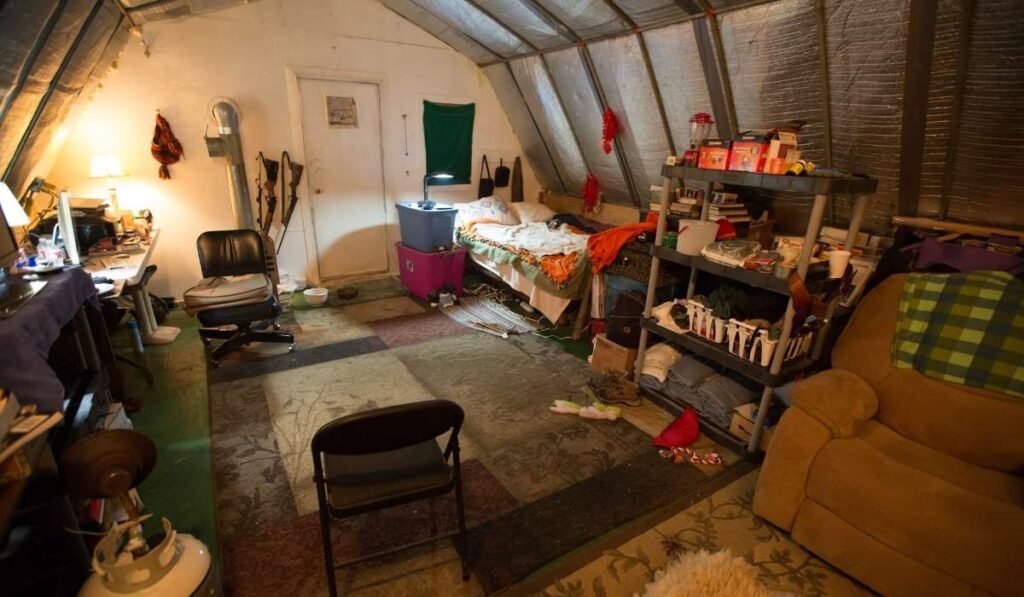
At the heart of Sue’s story is the Kavik River Camp, a remote outpost located on the North Slope of Alaska. Sue has lived at and managed this camp for over 20 years, serving as its sole permanent resident. The camp is situated approximately 197 miles north of the Arctic Circle and about 80 miles from the nearest road. For Sue, Kavik is more than just a place of business; it is her home and her sanctuary. She originally took over the management of the camp at the request of a friend, eventually turning it into a vital refueling station and B&B.
Operating a camp in such a remote location is a Herculean task. Between the months of June and September, Sue hosts hunters, scientific researchers, and adventure seekers. This seasonal business is what allows her to remain solvent and maintain her lease on the land. However, once the last plane departs in September, she is left entirely alone until the following May. During these long winter months, Sue must maintain the airstrip, fix broken generators, and manage her own water supply, often by melting snow or hauling water from the river.
Rising to Fame on Life Below Zero
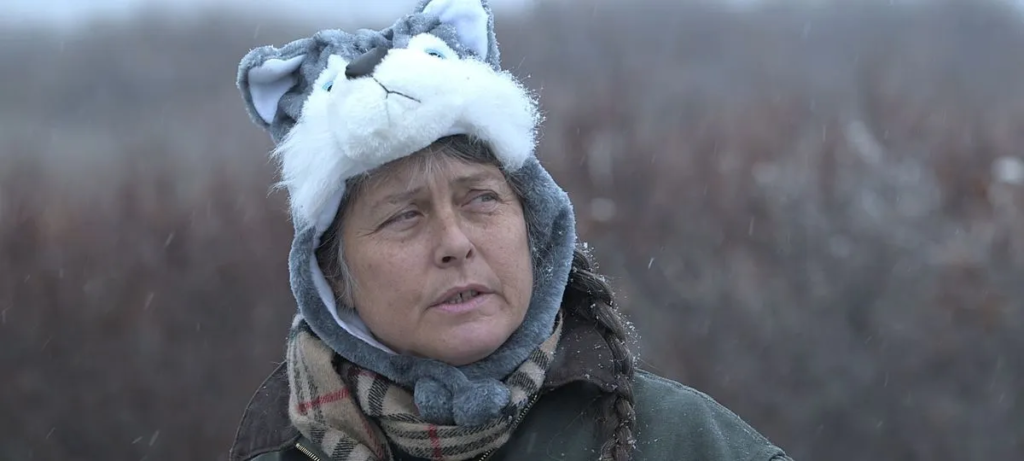
In 2013, National Geographic premiered Life Below Zero, a documentary-style series following Alaskans living off the grid. Sue Aikens quickly became the show’s breakout star. Her blunt honesty, unique catchphrases like “If it hurts, don’t think about it,” and her fearless attitude toward danger resonated with audiences. Unlike many reality stars, Sue’s life on camera is a direct reflection of her life off-camera. The show highlights the daily chores and extreme challenges she faces, from shoveling 17 feet of snow to defending her camp from inquisitive grizzly bears.
The success of the show has turned Sue into a household name. Fans admire her for her technical skills, as she is often seen repairing heavy machinery or building structures by hand. Her presence on Life Below Zero has also provided a platform for her to share her philosophy on life. She views the Arctic not as an enemy, but as a partner. This perspective has made her an icon for those seeking a more authentic, self-sufficient lifestyle, far removed from the digital noise of the 21st century.
The Infamous Grizzly Bear Attack
One of the most harrowing stories in Sue Aikens life below zero history is her 2007 encounter with a grizzly bear. While she was working near the river, a juvenile bear ambushed her, dragging her into the brush. The attack left her with severe injuries, including a torn hip. In a display of incredible mental fortitude, Sue managed to crawl back to her cabin and perform basic first aid on herself. Because of the remote location and poor weather, it took ten days before help could reach her.
This near-death experience did not scare her away from the tundra. Instead, it reinforced her respect for the apex predators she shares the land with. Today, Sue remains hyper-vigilant, often seen on the show scanning the horizon from her “perch” at Kavik. She lives among roughly 83 collared grizzly bears within a 10-mile radius of her camp. Her ability to coexist with these animals while maintaining her safety is a major focal point of her narrative on the show and a testament to her expertise.
Sue Aikens as a Film Producer and Professional

While many know her only as a survivalist, Sue is also listed as a producer and a savvy businesswoman. Managing Kavik River Camp requires intense logistical planning and financial management. She has successfully navigated the complexities of state leases, environmental regulations, and the high costs of Arctic logistics. Her professional background is rooted in self-sufficiency; she has worked various jobs across Alaska to fund her lifestyle, always prioritizing her independence over a traditional 9-to-5 career.
Her role as a producer also suggests a deeper involvement in how her story is told. Sue has been vocal about ensuring the authenticity of her lifestyle on screen. While she has had legal disagreements with production in the past—most notably a 2017 lawsuit regarding safety concerns—she remains dedicated to showing the true reality of the North. This blend of “bush smarts” and professional acumen makes her one of the most multi-faceted personalities in the outdoor television genre.
Physical Challenges and the Toll of the Arctic
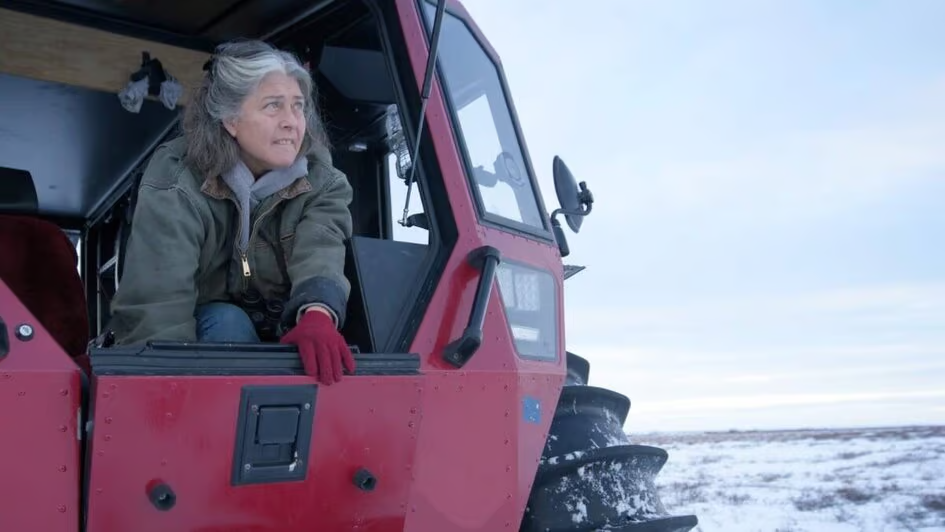
Living in the Arctic for decades takes a significant toll on the human body. In recent seasons of Life Below Zero, Sue has been remarkably open about the physical challenges of aging in the wild. The extreme cold, which can drop to minus 60 degrees, and the physical labor required to keep the camp running have led to various injuries over the years. Sue has undergone multiple surgeries, including a full hip replacement, but she refuses to let these setbacks slow her down for long.
To combat the physical strain, Sue has incorporated training and exercise into her routine. She understands that her body is her most important tool, and keeping it in working order is a matter of life or death. Her journey toward fitness in her 60s has inspired many viewers who are also facing the realities of aging. Whether she is driving her beloved ATV, “Big Red,” or hiking through the snow, Sue proves that age is just a number as long as the mind remains sharp and the spirit is willing.
The Solitude and Mental Fortitude of Sue Aikens
The most striking aspect of Sue Aikens’ life is her relationship with solitude. For up to nine months a year, she has no human contact. While most people would find this isolation deafening, Sue finds it liberating. She fills her time with crafts, painting, and exploring the vast “backyard” that is the Arctic National Wildlife Refuge. She has often stated that she “cracks herself up” and is “pretty cool to hang with,” highlighting a healthy and robust sense of self that is necessary for solo survival.
This mental fortitude is what allows her to endure the “dark days” of winter. From late November to mid-January, the sun does not rise over Kavik. Living in total darkness for two months is a psychological challenge that few can master. Sue manages this by maintaining a strict routine and focusing on the small victories of daily life. Her ability to register a lethal situation without letting fear take control is a recurring theme in her life story, making her a true master of her own psychology.
Financial Standing and Net Worth in 2026

As of 2026, Sue Aikens has built a comfortable financial cushion through her various ventures. While her exact net worth is often a subject of speculation, it is estimated to be in the range of $500,000 to $1.5 million. This wealth comes from her salary on Life Below Zero, the revenue generated by Kavik River Camp, and various public speaking engagements. Despite her success, Sue lives a relatively modest life, as the cost of living in remote Alaska is incredibly high. Fuel, food, and supplies must all be flown in, costing thousands of dollars per trip.
Sue’s financial goal has never been about luxury; it has always been about buying her freedom. The money she earns is reinvested into her camp and her equipment, ensuring she can continue living on her own terms. Her success serves as a blueprint for how to turn a passion for the outdoors into a sustainable and profitable career without compromising one’s values or lifestyle.
Recent Updates: Life Beyond Kavik?
In recent years, there has been much discussion about Sue’s future at Kavik River Camp. Changes in land use regulations and the physical demands of the camp have led Sue to consider a “Plan B.” She recently purchased a cabin in a slightly less remote area of Alaska as a backup. This new property allows her to maintain her independence while being closer to essential services if needed. However, her heart remains at Kavik, and she continues to fight to keep the camp operational as long as possible.
Fans have noticed a shift in her recent appearances on the show, with more “me time” and exploration featured. While some worry she is moving away from her rugged roots, Sue explains it as a new chapter. After decades of non-stop labor, she is allowing herself the grace to enjoy the land she has worked so hard to protect. Whether she stays at Kavik or moves to her new cabin, her legacy as a pioneer of the North is already secured.
Conclusion: The Legacy of a Tundra Legend
Sue Aikens is more than just a reality TV star; she is a survivor in the truest sense of the word. Through Life Below Zero, she has shown the world that a life of solitude and hardship can also be a life of profound beauty and fulfillment. From her early days in Illinois to the wind-swept plains of the North Slope, Sue has remained authentic to herself. She has faced bears, broken bones, and the crushing darkness of the Arctic winter, emerging each time with a smile and a story to tell.
As she moves into the later chapters of her life, Sue continues to inspire a global audience. She reminds us that the “best tool in anyone’s arsenal is their own mindset.” Whether she is managing a remote camp or simply enjoying the company of her “fox friends,” Sue Aikens remains a beacon of strength. Her story is a powerful reminder that we are all capable of exceeding our boundaries if we are brave enough to face the cold.
Frequently Asked Questions (FAQs)
1. Is Sue Aikens still living at Kavik River Camp?
As of early 2026, Sue Aikens still spends a significant portion of her year at Kavik River Camp, though she has acquired a second cabin as a backup property due to the physical demands of the camp and potential changes in land leases.
2. How old is Sue Aikens now?
Sue Aikens was born on July 1, 1963, making her 62 years old as of 2026.
3. Did Sue Aikens really survive a bear attack?
Yes, in 2007, Sue was attacked by a grizzly bear at Kavik. She survived by performing self-surgery and waiting ten days for rescue. This event is a central part of her biography and survival story.
4. What is Sue Aikens’ net worth?
While figures vary, most estimates place her net worth between $500,000 and $1.5 million, primarily earned through her long-standing role on Life Below Zero and her business at Kavik.
5. Does Sue Aikens have a family?
Sue is a mother of two and a grandmother. While she keeps her family life private to protect their identity, she has mentioned them on social media and occasionally in interviews.
6. Is Life Below Zero still airing?
While there have been various seasons and spin-offs, Life Below Zero remains one of National Geographic’s most popular programs, with Sue Aikens continuing to be a featured cast member.