
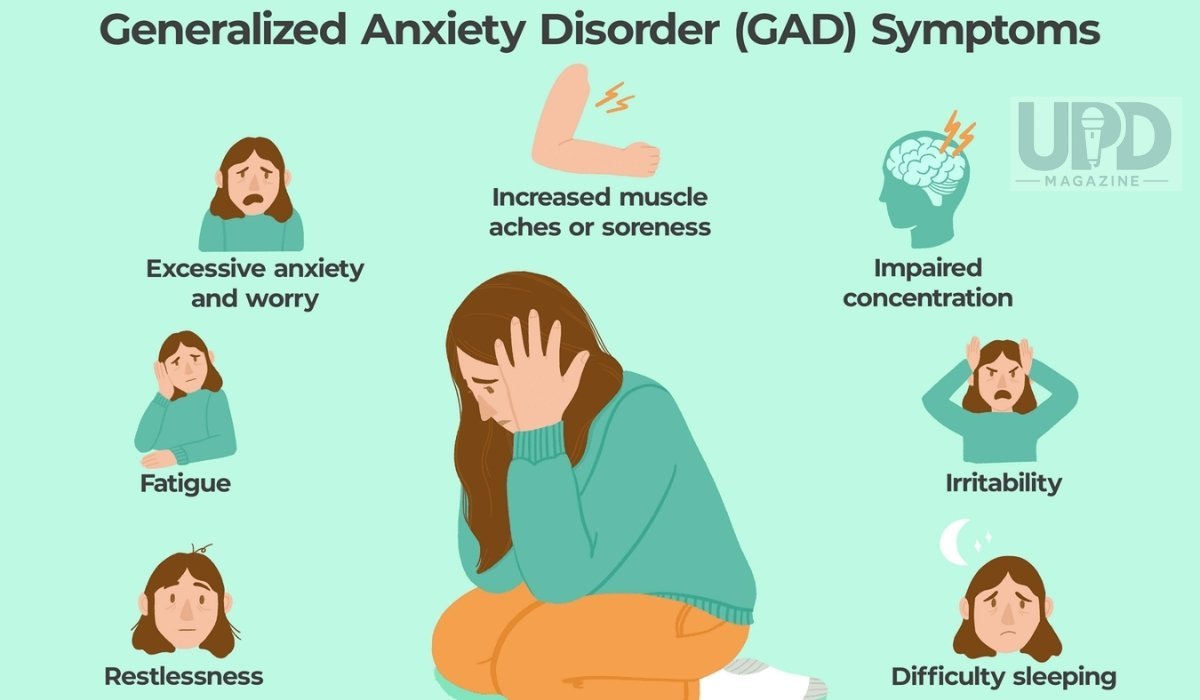
The early signs of anxiety disorders often appear quietly, blending into everyday stress and routine worries. Many people dismiss these signals as temporary discomfort, not realizing they may indicate the onset of a deeper mental health condition. Understanding these early warning signs is essential because timely recognition can prevent the condition from worsening. Anxiety disorders are among the most common mental health challenges worldwide, affecting millions of individuals across all age groups. When identified early, they are highly manageable through lifestyle adjustments, therapy, and sometimes medication. This article explores the subtle beginnings of anxiety, helping you recognize patterns in thoughts, emotions, and behaviour before they escalate into more severe conditions.
Early Signs of Anxiety Disorders – Detailed Overview
| Category | Specific Sign | Description | Real-Life Example | Why It Matters |
|---|---|---|---|---|
| Emotional Signs | Persistent worry | Constant, uncontrollable thoughts about future events or problems | Worrying excessively about work deadlines even when prepared | Indicates inability to manage stress effectively |
| Emotional Signs | Feeling of dread | Sense that something bad will happen without reason | Feeling uneasy before normal daily activities | Early indicator of generalized anxiety |
| Emotional Signs | Irritability | Becoming easily annoyed or frustrated | Snapping at family members over small issues | Affects relationships and emotional stability |
| Cognitive Signs | Overthinking | Replaying situations repeatedly in mind | Analyzing a simple conversation for hours | Leads to mental exhaustion |
| Cognitive Signs | Poor concentration | Difficulty focusing on tasks or conversations | Struggling to complete simple work tasks | Impacts productivity and performance |
| Cognitive Signs | Negative thinking | Expecting worst-case scenarios | Assuming failure before trying something new | Reinforces anxiety patterns |
| Physical Signs | Rapid heartbeat | Increased heart rate without physical exertion | Heart racing while sitting or resting | Body’s stress response is overactive |
| Physical Signs | Muscle tension | Constant tightness in muscles, especially neck and shoulders | Feeling stiff even without physical strain | Leads to chronic discomfort |
| Physical Signs | Fatigue | Feeling tired despite adequate rest | Low energy throughout the day | Affects daily functioning |
| Physical Signs | Sweating | Excessive sweating without heat or activity | Sweaty palms during normal situations | Sign of heightened nervous system activity |
| Behavioral Signs | Avoidance | Staying away from situations that cause discomfort | Avoiding social gatherings or meetings | Reinforces fear and limits growth |
| Behavioral Signs | Social withdrawal | Reduced interaction with others | Ignoring calls or canceling plans frequently | Leads to isolation and loneliness |
| Behavioral Signs | Procrastination | Delaying tasks due to fear or stress | Putting off important assignments | Increases pressure and anxiety |
| Sleep-Related Signs | Insomnia | Difficulty falling or staying asleep | Lying awake thinking about worries | Worsens mental and physical health |
| Sleep-Related Signs | Restless sleep | Poor-quality sleep with frequent waking | Feeling tired after full night’s sleep | Reduces recovery and focus |
| Stress Response | High sensitivity to stress | Overreacting to minor problems | Feeling overwhelmed by small tasks | Shows reduced stress tolerance |
| Physical Health Impact | Digestive issues | Stomach discomfort or nausea | Feeling sick before events | Gut-brain connection affected |
| Children & Teens | Clinginess | Excessive dependence on parents | Fear of being alone | Early developmental sign of anxiety |
| Children & Teens | Academic decline | Drop in school performance | Difficulty focusing on studies | Impacts long-term growth |
| General Pattern | Persistent symptoms | Symptoms lasting weeks or months | Ongoing anxiety affecting daily life | Indicates possible anxiety disorder |
What Are Anxiety Disorders?
Anxiety disorders are a group of mental health conditions characterized by persistent, excessive fear or worry. Unlike occasional stress, these disorders interfere with daily functioning and overall well-being. Common types include generalized anxiety disorder (GAD), panic disorder, and social anxiety disorder. Each type has unique features, but they all share a core pattern of heightened emotional and physical responses. The early signs of anxiety disorders can be difficult to detect because they often mimic normal stress reactions. However, when these feelings become frequent, intense, or uncontrollable, they may signal something more serious. Recognizing this distinction is the first step toward seeking appropriate care and support.
Why Recognizing Early Signs Matters
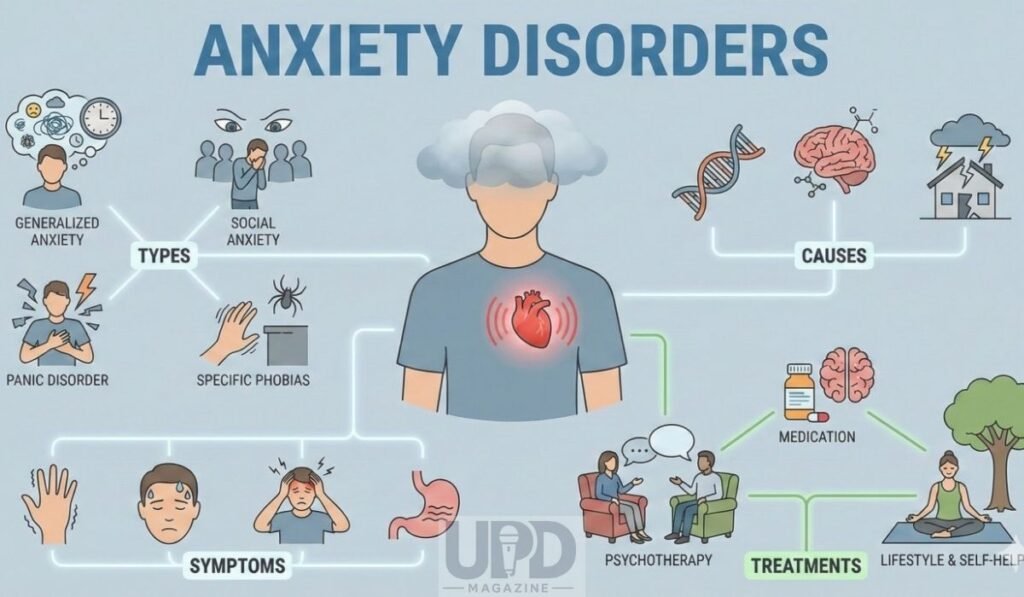
Identifying the early signs of anxiety disorders can significantly improve long-term outcomes. When anxiety is caught early, individuals can develop coping strategies before the condition disrupts relationships, work, or health. Ignoring these signs often leads to worsening symptoms, including chronic stress and physical complications. Early intervention may include counseling, mindfulness practices, or lifestyle changes that help restore emotional balance. Moreover, understanding these early signals empowers individuals to take control of their mental health instead of feeling overwhelmed. Prevention and awareness play a crucial role in reducing the stigma around mental health, encouraging more people to seek help without hesitation.
Subtle Emotional Changes to Watch
One of the earliest indicators of anxiety is a shift in emotional patterns. Individuals may begin to feel persistent unease, irritability, or unexplained fear. These emotions often arise without a clear trigger and may linger throughout the day. Over time, even minor situations can provoke disproportionate reactions. People might also experience a sense of impending doom or constant worry about future events. These emotional changes are easy to overlook because they develop gradually. However, when such feelings become frequent and difficult to control, they represent key early signs of anxiety disorders. Recognizing these emotional shifts can help individuals address concerns before they intensify.
Physical Symptoms That Appear Early
The early signs of anxiety disorders are not limited to mental experiences; they often manifest physically. Common symptoms include increased heart rate, muscle tension, sweating, and fatigue. Some individuals may also experience headaches or digestive issues without a clear medical cause. These physical responses occur because anxiety activates the body’s fight-or-flight system. While occasional physical reactions to stress are normal, frequent or persistent symptoms may indicate underlying anxiety. Paying attention to these bodily signals is important, as they often appear before emotional awareness develops. Understanding the connection between mind and body can help individuals identify anxiety in its early stages.
Changes in Thinking Patterns
Anxiety often alters the way a person thinks. Early signs include overthinking, difficulty concentrating, and constant anticipation of negative outcomes. Individuals may find themselves replaying conversations or imagining worst-case scenarios. This pattern of thinking can become exhausting and interfere with decision-making. Over time, it may lead to reduced productivity and increased frustration. These cognitive changes are subtle but significant indicators of anxiety disorders. Recognizing them early allows individuals to challenge negative thought patterns and adopt healthier perspectives. Cognitive awareness is a powerful tool in managing anxiety before it becomes overwhelming.
Behavioral Warning Signs
Behavioral changes are another important aspect of the early signs of anxiety disorders. Individuals may begin to avoid certain situations, withdraw socially, or procrastinate excessively. These behaviors often develop as coping mechanisms to reduce discomfort. For example, someone with early anxiety may avoid social gatherings due to fear of judgment. While avoidance may provide temporary relief, it reinforces anxiety in the long run. Observing changes in daily habits and routines can reveal underlying concerns. Addressing these behaviors early can prevent them from becoming deeply ingrained patterns that limit personal growth and opportunities.
Sleep Disturbances and Anxiety
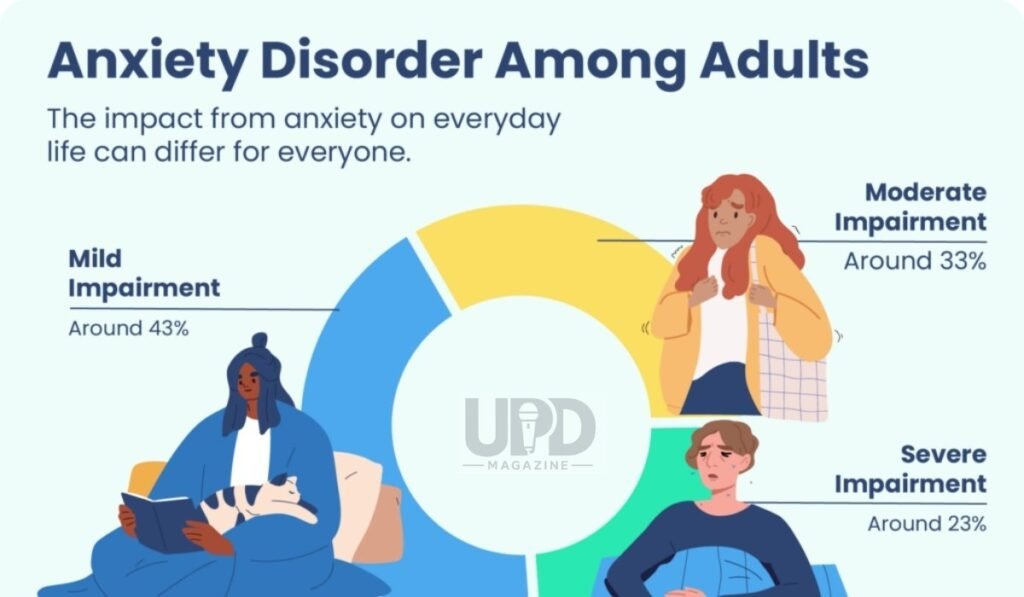
Sleep problems are among the most common early signs of anxiety disorders. Individuals may experience difficulty falling asleep, frequent waking, or restless nights. Anxiety often keeps the mind active, making it hard to relax before bedtime. Over time, poor sleep can worsen emotional and physical symptoms, creating a cycle that is difficult to break. Lack of rest also affects concentration, mood, and overall health. Recognizing the connection between sleep and anxiety is crucial for early intervention. Simple changes, such as establishing a bedtime routine or reducing screen time, can significantly improve sleep quality and reduce anxiety symptoms.
Early Signs in Children and Teens
The early signs of anxiety disorders can appear differently in younger individuals. Children and teenagers may show excessive clinginess, irritability, or fear of new situations. Academic performance may decline due to difficulty concentrating or fear of failure. Physical complaints, such as stomachaches, are also common. These signs are often misunderstood as typical developmental behavior, making early detection challenging. Parents and caregivers should pay close attention to consistent patterns rather than isolated incidents. Early support and open communication can help young individuals develop healthy coping mechanisms and prevent anxiety from affecting their long-term development.
Social Withdrawal and Isolation
Social withdrawal is a key early sign of anxiety disorders that often goes unnoticed. Individuals may gradually reduce interactions with friends, family, or colleagues. This behavior is usually driven by fear of judgment, embarrassment, or discomfort in social settings. Over time, isolation can lead to loneliness and worsen mental health. Recognizing this pattern early is essential for maintaining healthy relationships. Encouraging gradual social engagement and providing a supportive environment can help individuals overcome these challenges. Social connection plays a vital role in emotional well-being and can act as a protective factor against anxiety.
Increased Sensitivity to Stress
People experiencing early signs of anxiety disorders often become more sensitive to everyday stressors. Situations that were once manageable may suddenly feel overwhelming. This heightened sensitivity can lead to frustration and emotional exhaustion. Individuals may also struggle to cope with unexpected changes or challenges. Understanding this shift is important because it highlights the body’s reduced ability to handle stress effectively. Developing stress-management techniques, such as deep breathing or time management, can help restore balance. Early recognition of this sensitivity allows individuals to build resilience and prevent further escalation of anxiety symptoms.
Difficulty Concentrating
Concentration problems are a common yet overlooked early sign of anxiety disorders. Individuals may find it hard to focus on tasks, follow conversations, or complete assignments. This difficulty often stems from intrusive thoughts and constant worry. Over time, it can affect academic or professional performance, leading to additional stress. Recognizing this issue early is crucial for maintaining productivity and confidence. Simple strategies, such as breaking tasks into smaller steps or practicing mindfulness, can improve focus. Addressing concentration difficulties early helps prevent a decline in overall functioning and supports mental clarity.
Irritability and Mood Swings
Irritability is another subtle indicator of anxiety. Individuals may become easily frustrated or experience sudden mood changes without a clear reason. This emotional instability often results from underlying तनाव and mental fatigue. Over time, it can strain relationships and create misunderstandings. Recognizing irritability as one of the early signs of anxiety disorders helps individuals address the root cause rather than reacting to symptoms. Developing emotional awareness and communication skills can improve relationships and reduce तनाव. Early intervention ensures that mood changes do not escalate into more severe emotional challenges.
Avoidance Behavior Patterns
Avoidance is a hallmark of anxiety disorders that often begins early. Individuals may start to avoid situations that trigger discomfort, even if those situations are important. This could include avoiding meetings, social events, or new opportunities. While avoidance provides temporary relief, it reinforces fear and limits personal growth. Recognizing this pattern early allows individuals to challenge their fears gradually. Exposure to feared situations in a controlled manner can help reduce anxiety over time. Addressing avoidance behaviors early is essential for maintaining confidence and achieving personal and professional goals.
Physical Health Impact in Early Stages
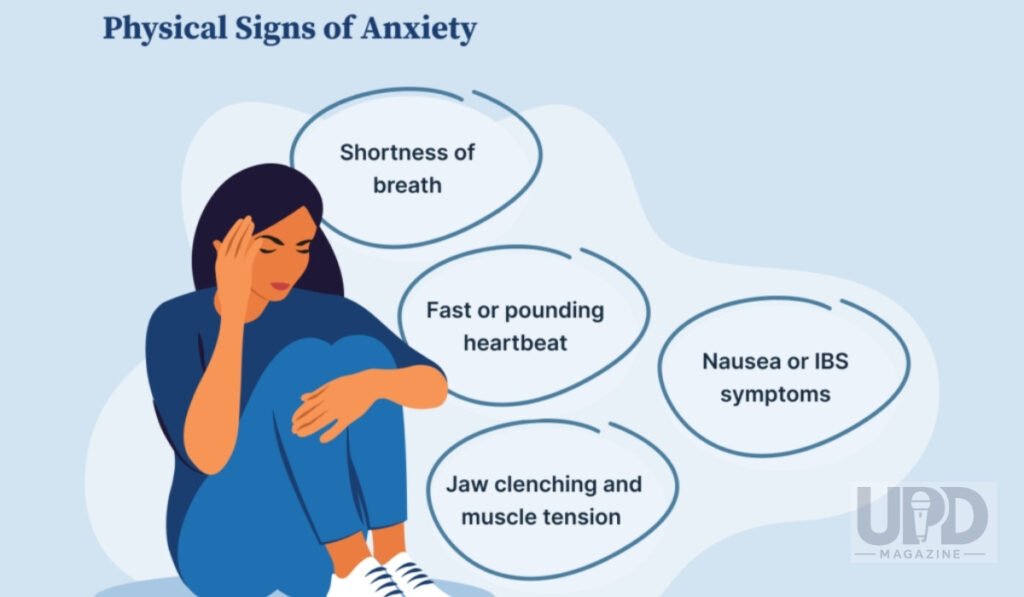
The early signs of anxiety disorders can affect physical health in subtle ways. Chronic stress may lead to weakened immunity, digestive problems, and persistent fatigue. These symptoms often go unnoticed or are attributed to other causes. However, the connection between mental and physical health is significant. Addressing anxiety early can prevent long-term health complications. Maintaining a healthy lifestyle, including regular exercise and balanced nutrition, supports both mental and physical well-being. Recognizing these early physical impacts encourages a holistic approach to health.
Triggers and Risk Factors
Understanding triggers is essential for identifying the early signs of anxiety disorders. Common triggers include major life changes, trauma, genetic predisposition, and chronic stress. Certain personality traits, such as perfectionism, may also increase vulnerability. Recognizing these factors helps individuals anticipate and manage anxiety more effectively. While triggers vary from person to person, awareness is key to prevention. Identifying patterns in behavior and emotional responses can provide valuable insights. Early recognition of triggers allows individuals to develop strategies that reduce the likelihood of anxiety escalation.
When Do Early Signs Become a Disorder?
Not all anxiety is harmful, but it becomes a disorder when it is persistent, excessive, and interferes with daily life. The early signs of anxiety disorders transition into a diagnosable condition when symptoms last for weeks or months. At this stage, professional evaluation may be necessary. Understanding this threshold helps individuals determine when to seek help. Early intervention can prevent the progression of symptoms and improve overall quality of life. Recognizing the difference between normal stress and a disorder is crucial for timely action.
Coping Strategies for Early Anxiety
Managing the early signs of anxiety disorders involves practical strategies that promote emotional balance. Techniques such as deep breathing, mindfulness, and regular exercise can reduce symptoms effectively. Maintaining a structured routine and limiting caffeine intake also helps. Social support plays a vital role in coping with anxiety. Talking to friends, family, or a counselor can provide reassurance and perspective. Developing healthy coping mechanisms early prevents reliance on avoidance or negative behaviors. These strategies empower individuals to manage anxiety proactively.
Professional Help and Treatment Options
Seeking professional help is an important step when early signs of anxiety disorders persist. Treatment options may include therapy, medication, or a combination of both. Cognitive-behavioral therapy (CBT) is particularly effective in addressing negative thought patterns. Mental health professionals can provide personalized guidance based on individual needs. Early treatment often leads to better outcomes and faster recovery. It is important to remember that seeking help is a sign of strength, not weakness. Accessing professional support ensures that anxiety is managed effectively and sustainably.
Lifestyle Changes That Make a Difference
Lifestyle adjustments can significantly impact the early signs of anxiety disorders. Regular physical activity, a balanced diet, and adequate sleep contribute to emotional stability. Reducing screen time and practicing relaxation techniques can also help. Building healthy habits creates a strong foundation for mental well-being. Consistency is key when implementing these changes. Over time, small adjustments can lead to significant improvements. Recognizing the importance of lifestyle in managing anxiety encourages individuals to take proactive steps toward better health.
Conclusion
The early signs of anxiety disorders are often subtle but meaningful indicators of mental health. From emotional changes to physical symptoms and behavioural patterns, these signs provide valuable insights into an individual’s well-being. Recognizing them early allows for timely intervention, preventing the condition from worsening. Anxiety is a manageable condition, especially when addressed at its stages. By understanding these warning signals and adopting healthy coping strategies, individuals can maintain balance and resilience. Awareness, support, and proactive care are the keys to overcoming anxiety and leading a fulfilling life.
FAQs
1. What are the most common early signs of anxiety disorders?
Common signs include persistent worry, restlessness, fatigue, and difficulty concentrating.
2. Can early signs of anxiety disorders go away on their own?
Mild symptoms may improve, but persistent signs often require attention and coping strategies.
3. How early can anxiety disorders begin?
They can start in childhood, adolescence, or adulthood, depending on triggers and risk factors.
4. Are physical symptoms part of early anxiety?
Yes, symptoms like headaches, muscle tension, and rapid heartbeat are common early indicators.
5. When should I seek professional help?
If symptoms persist for weeks and interfere with daily life, professional help is recommended.
6. Can lifestyle changes reduce early anxiety symptoms?
Yes, exercise, proper sleep, and stress management can significantly reduce symptoms.
7. Is anxiety disorder treatable in early stages?
Yes, early intervention greatly improves outcomes and helps manage symptoms effectively.