
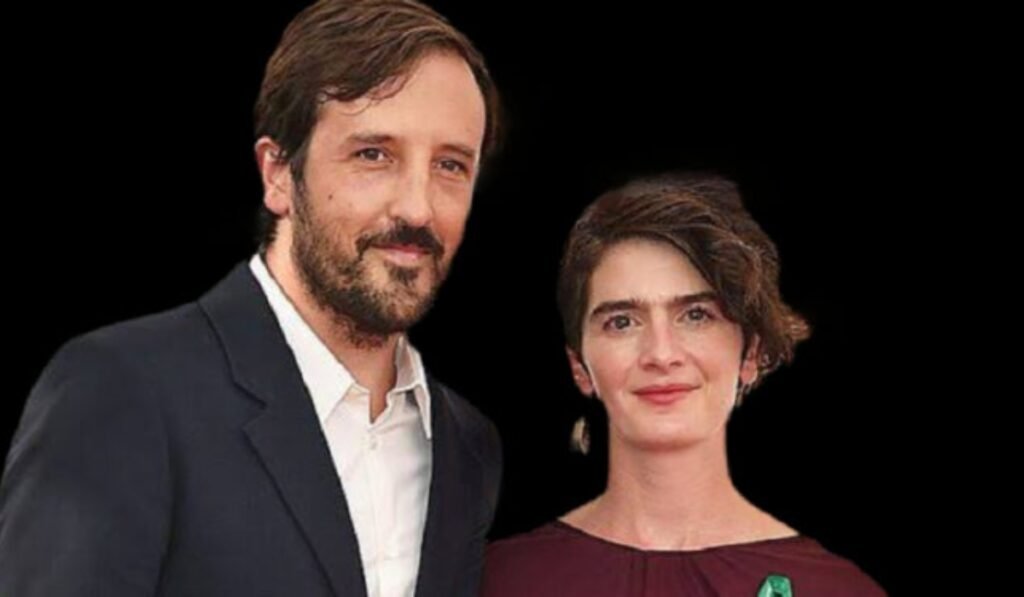
In the world of modern independent cinema and high-profile documentary filmmaking, Chris Dapkins has established himself as a cinematographer with a singular eye for raw, atmospheric storytelling.Known for his ability to blend the gritty realism of a documentary with the formal, often “oppressively beautiful” aesthetic of narrative fiction, Chris Dapkins cinematographer has become a go-to collaborator for directors looking to push the boundaries of visual language.
From his early days in Upstate New York to his status as one of Filmmaker Magazine’s “25 New Faces of Independent Film,” his journey is one of creative exploration and technical mastery. This biography delves into the life, career, and artistic philosophy of the man behind some of the most visually striking films of the last two decades.
Chris Dapkins: Facts and Bio
| Full Name | Chris Dapkins |
| Date of Birth | November 19, 1980 |
| Place of Birth | Oneonta, New York, U.S. |
| Profession | Cinematographer, Director, Screenwriter |
| Partner/Wife | Gaby Hoffmann (Actress) |
| Children | 2 (Daughter: Rosemary; Son: Name private) |
| Known For | The Swell Season, Citizen Jane, Memphis, Pavilion |
| Signature Style | Naturalism, shallow focus, documentary-fiction hybrid |
| Key Accolades | Filmmaker Magazine’s “25 New Faces of Independent Film” |
| Primary Base | California (formerly Brooklyn, New York) |
Early Life and Childhood in Oneonta, New York
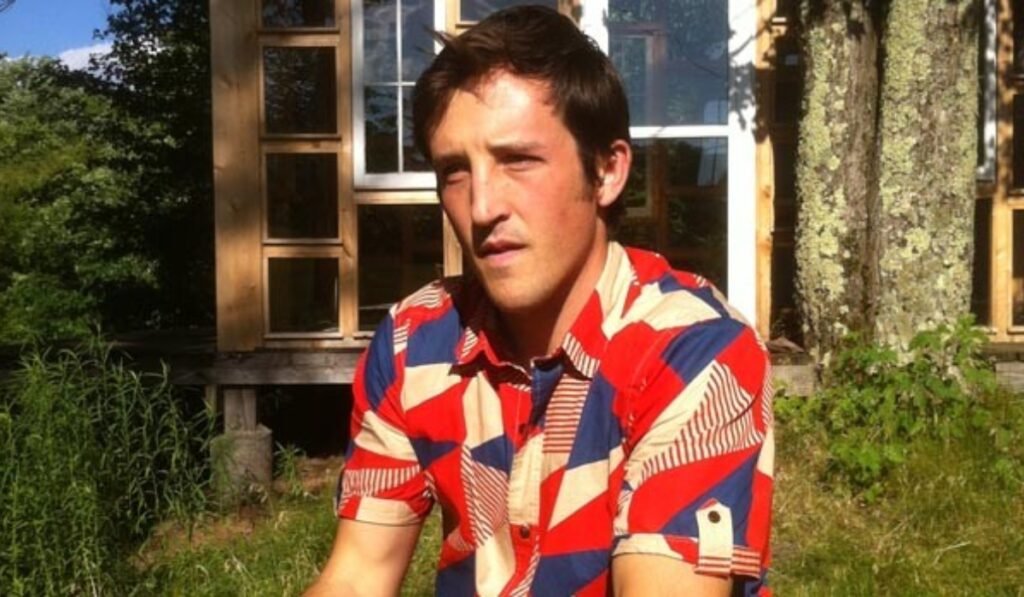
Born on November 19, 1980, in Oneonta, New York, Chris Dapkins spent his formative years surrounded by the “civilized wilds” of the Catskills region. This natural landscape played a pivotal role in shaping his future as a visual storyteller. As a child, he and his lifelong friend and frequent collaborator, Carlo Mirabella-Davis, spent countless hours in the woods engaged in what they called the “Talk Game.” This imaginative exercise involved one person creating a detailed “fantastic dream” or narrative world, while the other would inhabit that world and make choices within it.
This early fascination with world-building and narrative immersion laid the groundwork for his future career in film. The woods of Oneonta weren’t just a playground; they were a canvas where Chris Dapkins cinematographer first learned to translate imagination into a felt reality. This connection to nature and the quiet, observational power of the outdoors would later become a hallmark of his cinematography, often characterized by a patient, lingering camera that finds beauty in the mundane and the organic.
Transitioning to the World of Filmmaking
As he moved from childhood games to professional aspirations, Chris Dapkins began to refine his technical skills. His transition into the film industry was marked by a desire to challenge traditional structures. Rather than following a rigid path, he embraced a “free-flowing” approach to shooting that blurred the lines between different genres. He discovered that his creative “sweet spot” was often linked to his “blind spot”—the moments where the plan falls away and something more authentic and meaningful takes over.
This philosophy eventually led him to the Tribeca Film Festival and other major circuits, where his work began to garner critical attention. His early projects showcased a unique ability to use shallow focus and natural lighting to create an intimate, almost tactile experience for the viewer. Whether working with high-end digital sensors or smaller kits like the Canon 5D during the early DSLR revolution, his focus remained on the emotional truth of the image rather than just technical perfection.
The Breakthrough with The Swell Season (2011)
One of the most significant milestones in his career came in 2011 with the release of The Swell Season. In this project, Chris Dapkins cinematographer served not only as a director of photography but also as a co-director and screenwriter alongside Nick August-Perna and Carlo Mirabella-Davis. The documentary is an elegantly somber, black-and-white exploration of musicians Glen Hansard and Markéta Irglová, the stars of the hit film Once, as they navigated the pressures of sudden global fame.
Shooting in black and white allowed Chris Dapkins to strip away the distractions of color and focus on the raw, often strained relationship between the two subjects. The film was praised for its intimacy and its ability to capture the “reluctant” nature of celebrity. For Dapkins, this project solidified his reputation as a filmmaker who could handle sensitive subject matter with a poetic visual touch, earning him a place among the industry’s most promising new talents.
Collaborations with Director Tim Sutton
The creative partnership between Chris Dapkins cinematographer and director Tim Sutton has produced some of the most visually arresting independent films of the 2010s. Their collaboration began with the fiction feature Pavilion (2012), which premiered at SXSW. The film is a meditative study of youth, following a 15-year-old boy as he moves between the lush environment of Upstate New York and the arid landscapes of Arizona. Dapkins’ cinematography in Pavilion was described as “almost oppressively beautiful,” utilizing extremely shallow focus to mirror the internal, shifting world of adolescence.
Following Pavilion, the duo collaborated on Memphis (2013), a film that acts as a “love letter” to the city’s musical and cultural landscape. In Memphis, Chris Dapkins captured the soul of the city through long, observational takes and a focus on the interplay between the protagonist and his environment. These films highlighted Dapkins’ ability to treat the camera as a character—one that observes rather than judges, allowing the narrative to grow “like a vine” within the frame.
Documenting Architecture and Activism in Citizen Jane
In 2016, Chris Dapkins lent his lens to the documentary Citizen Jane: Battle for the City, directed by Matt Tyrnauer. The film chronicles the legendary clash between activist Jane Jacobs and power broker Robert Moses over the fate of New York City in the 1960s. Tasked with visualizing complex urban theories and historical battles, Chris Dapkins cinematographer used contemporary footage to breathe life into Jacobs’ ideas about “the sidewalk ballet” and the organic life of cities.
His work on Citizen Jane demonstrated his versatility. Moving from the ethereal, dreamy aesthetics of Pavilion to the structured, informative demands of an architectural documentary, he maintained a high level of visual engagement. The film received critical acclaim for making urban planning feel like a high-stakes thriller, thanks in no part to the dynamic and thoughtful cinematography that captured the vibrant heart of the city Jacobs fought so hard to save.
Exploring Hollywood’s Hidden History: Scotty Bowers
Continuing his successful partnership with Matt Tyrnauer, Chris Dapkins served as the cinematographer for the 2017 documentary Scotty and the Secret History of Hollywood. The film explores the life of Scotty Bowers, a legendary “fixer” and “procurer” for Hollywood stars during the Golden Age. The visual challenge here was to balance the aging, eccentric Scotty’s present-day life with the glitz and glamour of a bygone era.
Chris Dapkins cinematographer utilized a warm, intimate palette that invited the audience into Scotty’s cluttered but fascinating world. The cinematography helped ground the sensationalist stories in a human reality, focusing on the character of Scotty himself rather than just the scandals. The film became a box office success in the documentary world, grossing nearly half a million dollars domestically and further cementing Dapkins’ status as a premier cinematographer for character-driven non-fiction.
Recording the Unrecorded: The Marion Stokes Project
In 2019, Chris Dapkins worked on one of the most unique documentary concepts of the decade: Recorder: The Marion Stokes Project, directed by Matt Wolf. The film tells the story of Marion Stokes, an activist who secretly recorded American television 24 hours a day for 30 years. The cinematography had to bridge the gap between the massive archive of grainy VHS tapes and the crisp, modern reality of the people left behind to manage her legacy.
Chris Dapkins cinematographer captured the physical scale of the archive—thousands of tapes stacked in storage units—in a way that felt both monumental and claustrophobic. His lighting and framing emphasized the obsession and the isolation of Stokes’ life, turning a story about media consumption into a deep psychological portrait. The film was a critical darling, praised for its “meticulous” visual presentation of a truly singular life and its contribution to media history.
Artistic Style and Technical Philosophy
The visual style of Chris Dapkins is often defined by its naturalism and intimacy. He is a master of utilizing available light and shallow depth of field to create images that feel like memories. He has often stated that he finds narrative films more appealing when they “veer in the direction of documentary,” favoring a loose, authentic approach over rigid, highly choreographed setups. This allows for spontaneous moments of “magic,” such as a window breaking or a certain way light hits a subject, to become central to the film’s identity.
Technically, Chris Dapkins cinematographer is known for his adaptability. Whether he is using the Arri Alexa for high-end features or smaller digital cameras for fly-on-the-wall documentaries, he prioritizes the emotional weight of the scene. His work often features:
- Handheld camera movements that feel organic and observant.
- Naturalistic lighting that avoids the “artificial” look of traditional studio films.
- A focus on texture and environment, treating locations as vital components of the story.
Personal Life and Partnership with Gaby Hoffmann
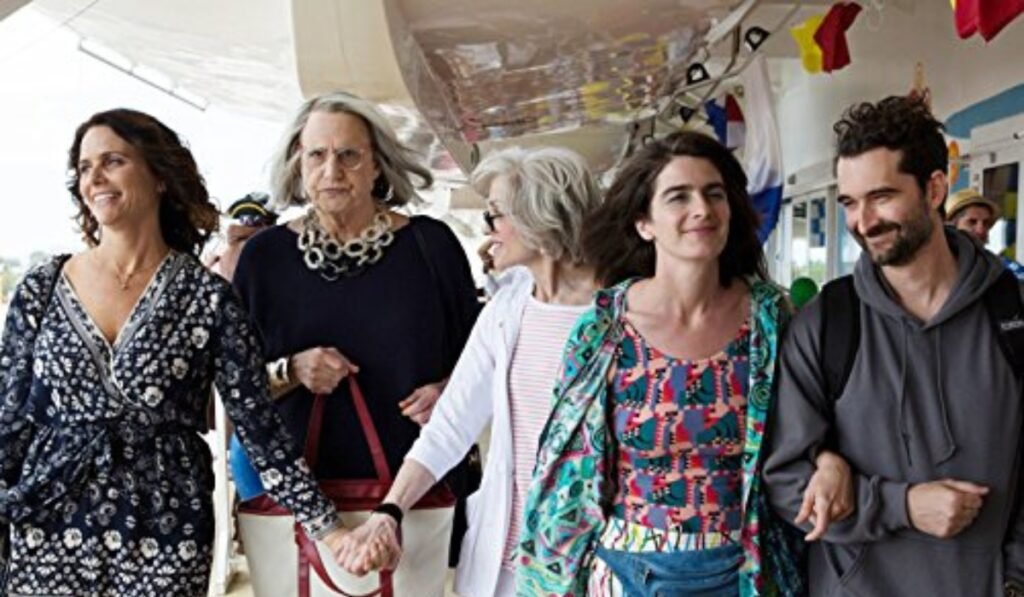
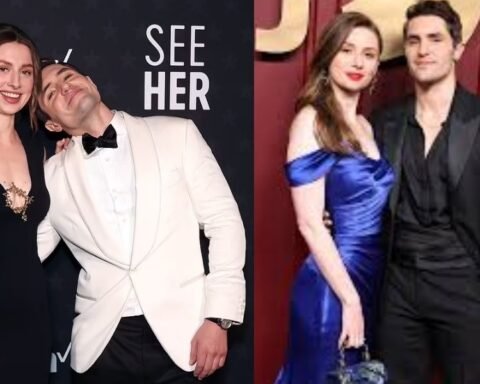
Outside of his professional work, Chris Dapkins maintains a relatively private life, though his long-term partnership with the acclaimed actress Gaby Hoffmann is well-known within the film industry. Hoffmann, a former child star who transitioned into celebrated roles in series like Transparent and Girls, has often spoken about their shared life and creative synergy. While frequently referred to as his wife in more recent interviews and media coverage, the pair have been together for many years, forming a powerful artistic duo in the New York indie scene.
The couple shares two children: a daughter named Rosemary, born in November 2014, and a son born a few years later. Their shared commitment to authentic, non-commercial storytelling is reflected in both of their career choices, as they often opt for projects that prioritize artistic integrity over mainstream popularity. After years of living in the Fort Greene neighborhood of Brooklyn, Chris Dapkins cinematographer and his family reportedly moved to California shortly before the 2020 pandemic to accommodate Hoffmann’s filming schedule for Winning Time.
The Influence of Family on Art
The personal connection to the world of acting through Gaby Hoffmann likely informs Dapkins’ approach to cinematography. By living and working alongside performers, he has developed a keen sense of how to give actors the space they need to breathe within a frame. He doesn’t just light a set; he creates an environment where a performance can happen naturally, often staying out of the way to capture the most honest moments.
This domestic life—balanced between the bustling artistic hubs of Brooklyn and Los Angeles—provides a grounded counterpoint to the often intense demands of film sets. For Chris Dapkins, the transition from fatherhood to the director of photography chair is seamless, as both require a deep level of empathy and observation. His ability to capture the tenderness of human connection on screen is undoubtedly sharpened by his own experiences as a partner and father.
Influence and Legacy in Independent Cinema
As of 2026, the influence of Chris Dapkins cinematographer on the “New York indie” aesthetic is undeniable. His work has helped define a decade of filmmaking that values mood and atmosphere over traditional plot mechanics. By proving that documentary techniques can enhance the beauty of fiction, and vice versa, he has opened doors for a new generation of cinematographers who don’t want to be pigeonholed into a single genre.
His inclusion in Filmmaker Magazine’s “25 New Faces” was more than just a passing accolade; it was a recognition of a filmmaker who treats the image as a living, breathing entity. His legacy continues through his ongoing collaborations and his willingness to take risks on experimental, low-budget projects that offer a unique visual perspective. Whether he is filming a rock star in black and white or a city activist in high definition, his work remains consistently “human” in its scale and “poetic” in its delivery.
Conclusion
Chris Dapkins is more than just a cinematographer; he is a visual poet who has mastered the art of capturing the unseen. From the woods of Oneonta to the red carpets of Sundance and SXSW, his journey reflects a deep-seated passion for the “imagination game.” Alongside his wife/partner Gaby Hoffmann, he has carved out a life and career defined by authenticity and artistic risk.
By blending the boundaries of documentary and fiction, Chris Dapkins cinematographer has created a body of work that is as intellectually stimulating as it is visually breathtaking. As he continues to evolve and take on new challenges, his lens will undoubtedly remain one of the most important tools for telling the complex, beautiful, and often messy stories of the human experience.
FAQs about Chris Dapkins Cinematographer
1. Who is Chris Dapkins?
Chris Dapkins is an acclaimed American cinematographer, director, and filmmaker. He is best known for his work on independent films like Pavilion and Memphis, as well as high-profile documentaries such as Citizen Jane: Battle for the City and The Swell Season.
2. Who is Chris Dapkins’ wife or partner?
Chris Dapkins is in a long-term relationship with actress Gaby Hoffmann. Though they are often described as husband and wife in recent press, they have been longtime romantic partners and share two children together.
3. Does Chris Dapkins have children?
Yes, he and Gaby Hoffmann have two children: a daughter named Rosemary, born in 2014, and a son born later.
4. Where was Chris Dapkins born?
He was born on November 19, 1980, in Oneonta, New York. His childhood in the rural landscapes of Upstate New York significantly influenced his visual style.
5. What is Chris Dapkins’ visual style?
His style is characterized by naturalism, the use of shallow focus, and a “free-flowing” documentary-like approach to narrative filmmaking. He often prioritizes available light and organic camera movements to create an intimate, atmospheric feel.
6. What are some of Chris Dapkins’ most famous films?
Some of his most notable works include The Swell Season (2011), Pavilion (2012), Memphis (2013), Citizen Jane: Battle for the City (2016), and Recorder: The Marion Stokes Project (2019).
7. Has Chris Dapkins won any awards?
While he is widely respected in the industry, he was notably named one of Filmmaker Magazine’s “25 New Faces of Independent Film” in 2011.