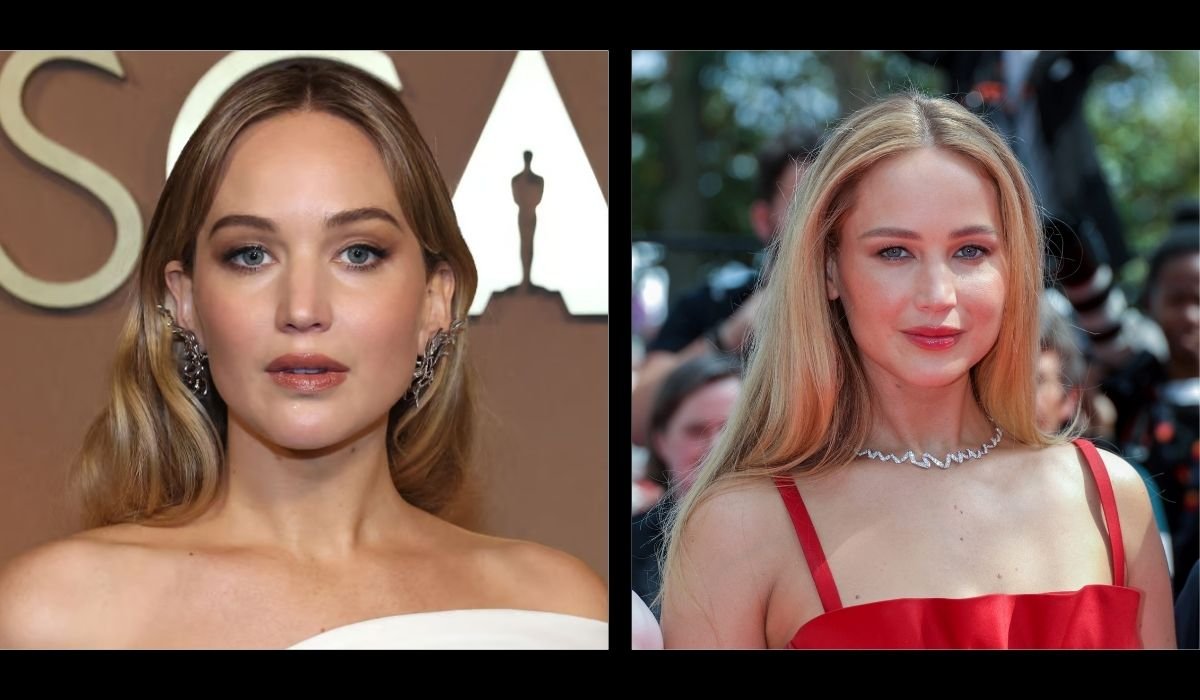
Jennifer Lawrence is often described as one of the most successful and recognizable actresses of her generation, but her journey to the top was far from smooth. Long before award ceremonies, blockbuster franchises, and magazine covers became part of her daily life, she was just another aspiring performer attending auditions and hoping for a chance to prove herself.
In one of her candid interviews, Jennifer Lawrence revealed that she once lost out on a role in a Quentin Tarantino film because she was told she was not “pretty enough.” This statement shocked many fans who have come to associate her with confidence, charm, and widespread admiration. Yet, her experience highlights an uncomfortable truth about how the film industry often evaluates talent through a narrow and subjective lens.
For young actors, rejection is common, but being dismissed for physical appearance can leave a deeper emotional mark. Jennifer Lawrence’s honesty about this moment sheds light on how even those who later become global stars are not immune to harsh judgments early in their careers. The story has resonated widely because it contradicts the public perception of beauty and success and exposes the invisible barriers many performers face before they ever step into the spotlight.
A quick bio
| Detail | Information |
| Full Name | Jennifer Shrader Lawrence |
| Date of Birth | August 15, 1990 |
| Birthplace | Louisville, Kentucky, USA |
| Profession | Actress |
| Years Active | 2006 – present |
| Notable Films | Winter’s Bone, The Hunger Games series, Silver Linings Playbook, American Hustle, Joy |
| Awards | Academy Award, Golden Globe Awards, BAFTA Award |
| Known For | Versatile acting, strong female roles, candid personality |
Beauty standards and the invisible rules of casting
Hollywood has long operated on unspoken rules regarding what is considered attractive, marketable, and suitable for the screen. These standards are rarely written down, yet they influence casting decisions every day. Jennifer Lawrence’s experience demonstrates how arbitrary and inconsistent these expectations can be. One director’s vision of the “perfect look” may exclude someone who later becomes celebrated worldwide for their appearance and charisma.
For actresses in particular, physical evaluation often precedes any serious discussion of acting ability. Talent may open doors, but appearance frequently decides whether someone is even allowed to knock. This creates an environment where performers feel pressured to fit into constantly shifting ideals that are shaped by trends, commercial interests, and personal preferences of filmmakers. Jennifer Lawrence’s rejection was not a reflection of her potential, but rather an example of how limited definitions of beauty can override artistic judgment.
Quentin Tarantino and the weight of selective casting

Quentin Tarantino is known for crafting visually striking films with strong, unforgettable characters. His casting choices often attract as much attention as his scripts, because appearing in one of his movies can elevate an actor’s career almost overnight. For this reason, Jennifer Lawrence missing out on a role in one of his projects carries particular significance. It was not merely another audition, but a potentially career-changing opportunity.
Tarantino’s creative process is famously specific, and he often searches for actors who embody a certain energy or image. While this attention to detail has produced iconic performances, it also means that many capable actors are excluded for reasons unrelated to their skills. Jennifer Lawrence’s story reflects how subjective these decisions can be, and how quickly an opportunity can disappear based on a single factor as superficial as physical appearance.
The emotional impact of being judged by appearance
Being told that you are not “pretty enough” can affect even the most confident individual. For someone at the beginning of her career, the comment likely carried both professional and personal weight. Jennifer Lawrence has spoken openly about struggling with anxiety and self-doubt, and moments like this can reinforce insecurities that many young actors already carry with them.
Rejection based on looks can create a sense of helplessness because it targets something deeply personal and difficult to change. Unlike a performance that can be improved with training and experience, appearance is often treated as a fixed quality. Jennifer Lawrence’s ability to continue pursuing her goals after such feedback demonstrates remarkable resilience. Rather than internalizing the criticism, she chose to move forward, focusing on developing her craft and seeking roles that valued her abilities.
From overlooked to Oscar winner

Only a few years after the Tarantino rejection, Jennifer Lawrence’s career took a dramatic turn. Her performance in “Winter’s Bone” earned her widespread critical acclaim and her first Academy Award nomination. Soon after, she became a global sensation through “The Hunger Games” franchise, portraying a strong, complex heroine who resonated with audiences around the world.
Her Oscar win for “Silver Linings Playbook” cemented her status as one of the most talented actresses of her generation. The irony is striking: the same person once dismissed for not meeting a particular beauty standard later became the face of major fashion brands and one of the most photographed celebrities in the world. Her story underscores how unreliable early judgments can be and how little they predict long-term success.
The irony of changing beauty ideals
Jennifer Lawrence’s rise to fame coincided with a shift in public attitudes toward beauty. Audiences increasingly embraced authenticity, relatability, and individuality over flawless perfection. Her natural personality, sense of humor, and openness made her appealing not just as an actress, but as a public figure people felt they could relate to.
This evolution in taste highlights how temporary and artificial beauty standards truly are. What is rejected in one moment can be celebrated in the next. Jennifer Lawrence’s experience serves as evidence that the industry’s criteria often lag behind public perception, clinging to outdated ideals while audiences move forward.
Lessons for aspiring actors and creatives

Jennifer Lawrence’s story offers valuable lessons for anyone pursuing a creative career. Rejection is often random and rarely fair. It does not always reflect talent, dedication, or future potential. Many successful individuals can point to moments where they were overlooked, underestimated, or dismissed entirely.
Aspiring actors frequently compare themselves to others and assume rejection means inadequacy. Jennifer Lawrence’s experience challenges this belief. It shows that even those who later dominate the industry once stood in the same uncertain position, facing closed doors and discouraging feedback. Persistence, patience, and self-belief remain far more important than meeting someone else’s idea of perfection.
The broader conversation about representation in film
The entertainment industry has gradually begun to acknowledge the damage caused by narrow beauty standards. Audiences today demand more diverse and realistic representation on screen, and filmmakers are responding by casting actors who reflect a wider range of appearances, backgrounds, and experiences.
Jennifer Lawrence’s openness contributes to this ongoing conversation. By speaking honestly about her rejection, she exposes how many talented performers are filtered out before their abilities can be recognized. Her story encourages the industry to rethink its priorities and consider whether artistic vision should truly depend on superficial qualities.
Media reaction and public support

When Jennifer Lawrence shared her experience, social media platforms filled with reactions ranging from disbelief to frustration. Many fans pointed out the absurdity of labeling her as insufficiently attractive, given her later global fame. Others used the moment to share their own stories of being judged unfairly in creative fields.
The overwhelming support she received demonstrates how deeply her honesty resonated with people. Rather than damaging her image, the story reinforced her reputation as someone grounded and genuine, unafraid to discuss uncomfortable realities even when they reveal vulnerability.
Redefining success beyond a single opportunity
Missing out on a role in a Tarantino film did not prevent Jennifer Lawrence from achieving extraordinary success. In fact, her career illustrates that no single opportunity determines a person’s future. What matters is the accumulation of choices, effort, and perseverance over time.
Her journey proves that rejection can exist alongside greatness. It also highlights that success is rarely linear. Careers are built through a combination of setbacks and breakthroughs, often in unpredictable ways. Jennifer Lawrence’s experience reminds us that what seems like a devastating loss in one moment may become insignificant in the broader story of a life well lived.
Why Jennifer Lawrence’s story continues to matter
Jennifer Lawrence’s revelation is powerful because it reflects a universal human experience: being told you are not enough. Whether in art, business, education, or relationships, many people face moments that challenge their self-worth. Her story stands as a reminder that such judgments are often flawed and temporary.
By sharing her past rejection, Jennifer Lawrence transforms a painful memory into a source of encouragement for others. It reinforces the idea that resilience, self-respect, and persistence can overcome even the most unfair criticism. Her success today does not erase what she endured, but it gives her story deeper meaning, showing how far determination can carry someone who refuses to accept limitations placed upon them by others.
Frequently Asked Questions
1. Why did Jennifer Lawrence lose the Tarantino role?
- She stated that she was told she was not “pretty enough” for the part during the casting process.
2. Did this rejection harm Jennifer Lawrence’s career?
- No, she continued auditioning and later achieved major success, including winning an Academy Award.
3. Which Quentin Tarantino movie was involved?
- Jennifer Lawrence has not publicly confirmed the specific film or role.
4. How did fans react to her statement?
- Many fans expressed shock and criticized Hollywood’s strict beauty standards while showing strong support for her honesty.
5. What lesson can new actors learn from her experience?
- That rejection is common, often unfair, and does not determine future success or personal worth.