
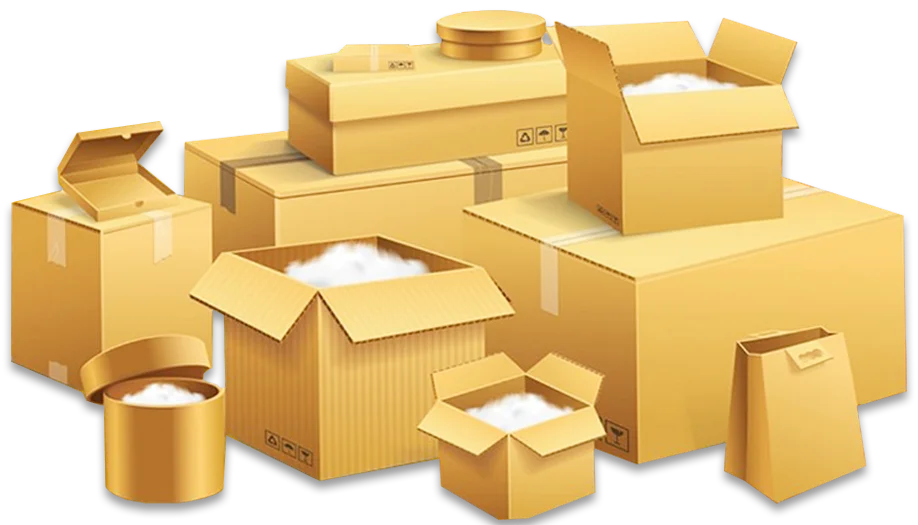
Finding the right balance between environmental responsibility and a lean budget is the primary challenge for modern retail owners. As we move through 2026, the demand for low cost sustainable packaging for boutiques has shifted from a niche preference to a core business requirement. Consumers are no longer just looking at the product; they are evaluating the entire unboxing experience through an eco-conscious lens. Fortunately, the packaging industry has matured significantly, offering diverse materials like kraft paper, recycled cardboard, and compostable mailers at price points that actually compete with traditional plastics. This article explores how local shops can transition to green logistics without compromising their bottom line.
Strategic Implementation Table for Boutique Packaging
| Packaging Type | Primary Material | Cost Level | Best For | Environmental Impact |
| Kraft Paper Bags | Natural Wood Pulp | Low | In-store purchases, apparel, and gift wrapping. | 100% Recyclable & Biodegradable. |
| Recycled Cardboard | Post-Consumer Fiber | Moderate | E-commerce shipping and heavy/fragile items. | High circularity; saves water/trees. |
| Compostable Mailers | Cornstarch & PBAT | Moderate | Soft goods, textiles, and non-fragile online orders. | Breaks down in 180 days in home compost. |
| Honeycomb Paper | Expanded Kraft Paper | Low | Glassware, ceramics, and delicate jewelry. | Plastic-free alternative to bubble wrap. |
| Seed Paper Tags | Recycled Paper + Seeds | Variable | Premium branding and luxury product labeling. | Zero-waste; grows into wildflowers. |
| Gummed Paper Tape | Reinforced Kraft + Starch | Low | Sealing shipping boxes securely. | Allows box to be recycled without stripping tape. |
| Soy-Based Inks | Soy Bean Oil | Low | Custom branding and logo stamping. | Low VOCs; doesn’t contaminate recycling. |
Why Local Boutiques Are Switching to Eco-Friendly Packaging
The shift toward sustainable shipping and gift-wrapping solutions is driven by both ethics and economics. In 2026, “packaging shame” is a documented consumer behavior where buyers feel guilt over excessive plastic waste, often leading them to abandon brands that don’t prioritize the planet. For a local boutique, your packaging is a silent brand ambassador that communicates your values before the customer even touches the product. By adopting low cost sustainable packaging for boutiques, owners can reduce their carbon footprint while building a loyal community of shoppers who value transparency. Additionally, many regions now impose “plastic taxes,” making eco-friendly alternatives a financially smarter long-term investment for small-scale enterprises.
The Economic Reality of Sustainable Materials in 2026
A common misconception among small business owners is that “green” always equals “expensive.” While some high-tech materials like mushroom-based foam carry a premium, the most effective solutions for boutiques are surprisingly affordable. Materials such as recycled corrugated cardboard and biodegradable tissue paper have seen a price stabilization due to increased global production. When you calculate the total cost of ownership, including customer retention and brand equity, sustainable options often outperform traditional poly-mailers. Smart boutique owners are now utilizing “lightweighting” techniques—using thinner but stronger materials—to reduce both material costs and shipping fees, proving that sustainability and profitability can go hand-in-hand in the current market.
Essential Benefits of Kraft Paper for Boutique Branding

Kraft paper remains the undisputed champion of low cost sustainable packaging for boutiques. Its natural, earthy aesthetic perfectly complements the “artisan” or “handmade” vibe that many local shops strive to achieve. Beyond its looks, kraft paper is 100% recyclable and often made from a high percentage of post-consumer waste. It is incredibly versatile, serving as everything from sturdy shopping bags to protective void fill. Because it is a commodity material, boutiques can purchase it in bulk at very low rates. Adding a simple, custom-branded rubber stamp with soy-based ink allows a shop to create a premium look on a budget that avoids the high costs of custom-printed plastic bags.
Transitioning to Recycled Cardboard Shipping Solutions
For boutiques with an e-commerce presence, recycled cardboard boxes are the gold standard for durability and eco-friendliness. Unlike virgin cardboard, which relies on freshly harvested timber, recycled versions utilize existing fibers, saving energy and water during the manufacturing process. In 2026, many suppliers offer “right-sized” boxes that minimize the need for extra fillers, further driving down the cost of low cost sustainable packaging for boutiques. These boxes are easily collapsible, taking up minimal storage space in small stockrooms. Most importantly, cardboard has one of the highest recycling rates of any material, ensuring that your boutique’s waste doesn’t end up in a landfill.
Understanding the Rise of Compostable Mailers
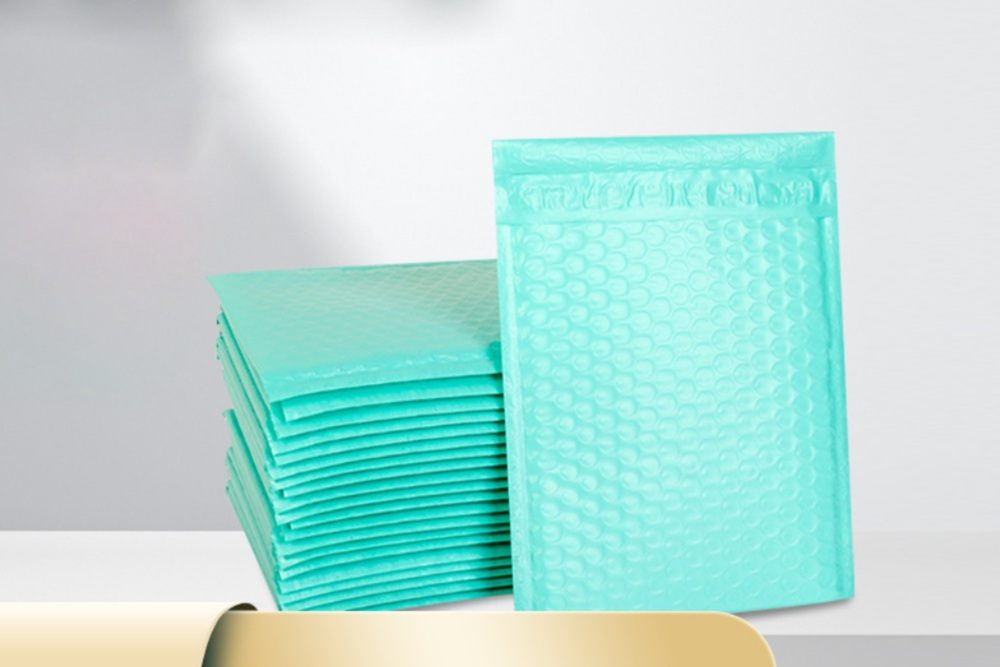
If your boutique primarily sells soft goods like apparel or textiles, compostable mailers are a revolutionary alternative to the standard plastic poly-bag. These mailers are typically made from a blend of PBAT (a biodegradable polymer) and cornstarch, designed to break down in a home compost bin within 180 days. While they were once luxury items, the price of compostable films has dropped significantly in early 2026 as manufacturing scales up. They offer the same waterproof protection as plastic but leave zero microplastics behind. For a local boutique, using these mailers provides a powerful marketing story: “Your packaging can literally help grow your garden,” which resonates deeply with modern eco-conscious shoppers.
Creative DIY Ideas for Eco-Friendly Gift Wrapping
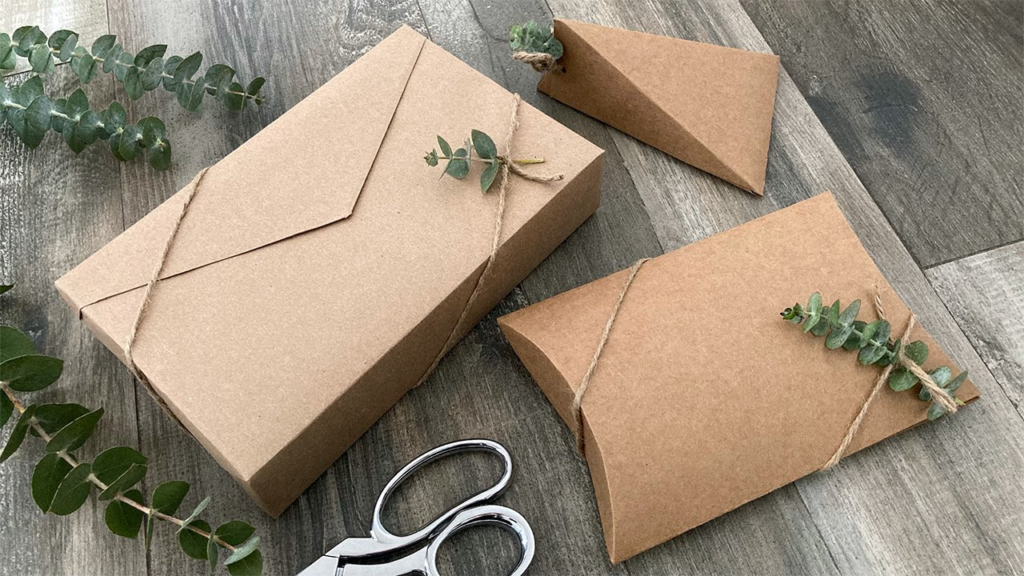
Sustainability often thrives on creativity, and local boutiques have the unique advantage of being able to add a personal touch. Instead of buying expensive printed gift wrap, consider using plain kraft paper decorated with dried flowers, twine, or even upcycled fabric scraps. This “zero-waste” approach to gift wrapping is not only a form of low cost sustainable packaging for boutiques but also creates a memorable “Instagrammable” moment for the customer. Using natural elements eliminates the need for plastic-coated ribbons and glitter, which are notorious for being non-recyclable. Small steps, like replacing clear plastic tape with paper-based gummed tape, can make a massive difference in the overall recyclability of the package.
Sourcing Wholesale Eco-Friendly Supplies Locally
One of the best ways to keep costs down is to reduce the “shipping distance” of your supplies. Sourcing low cost sustainable packaging for boutiques from nearby distributors reduces the carbon emissions associated with transport and often allows for lower shipping fees. Many local packaging wholesalers now stock “eco-lines” specifically for small businesses. By joining local business alliances, boutique owners can also engage in “group buying,” where multiple shops combine their orders to meet higher minimum order quantities (MOQs) and secure wholesale discounts. This collaborative approach makes high-quality sustainable materials accessible even to the smallest “mom-and-pop” shops.
The Role of Soy-Based and Water-Based Inks
Branding is vital for any boutique, but traditional petroleum-based inks can render otherwise recyclable paper un-recyclable. In 2026, the shift toward soy-based and water-based inks has become the standard for eco-friendly printing. These inks are derived from renewable resources and release significantly fewer volatile organic compounds (VOCs) during the drying process. When you use these inks on kraft paper or recycled cardboard, the entire package remains compostable and easy to process at recycling centers. For boutiques on a budget, investing in a high-quality custom stamp with a soy-ink pad is the most cost-effective way to brand your packaging without the expense of a professional printing press.
Minimalist Packaging: The “Less is More” Strategy
The most sustainable (and cheapest) package is the one you don’t use. Many local boutiques are adopting a minimalist philosophy to achieve low cost sustainable packaging for boutiques. This involves evaluating every component of the unboxing experience and removing anything unnecessary. Do you really need a plastic sleeve, a sticker, and a thank-you card? By switching to a single, high-quality recycled cardboard insert that doubles as a thank-you note and care instructions, you save money and reduce waste. This “naked packaging” trend is highly valued by Gen Z and Millennial shoppers, who view excess material as a sign of corporate inefficiency rather than luxury.
Innovative Void Fillers: Moving Beyond Bubble Wrap
Protecting fragile items like ceramics or jewelry no longer requires rolls of plastic bubble wrap. Boutique owners are now turning to honeycomb paper and biodegradable packing peanuts. Honeycomb paper is a clever engineering feat that uses cut kraft paper to create a protective cushion that is both aesthetic and effective. For those on an even tighter budget, shredded recycled paper or even popped popcorn (unbuttered and unsalted!) can serve as excellent, compostable void fill. These alternatives represent the core of low cost sustainable packaging for boutiques, as they are often made from waste products and are significantly easier for the customer to dispose of responsibly.
Customizing Sustainable Packaging on a Small Budget
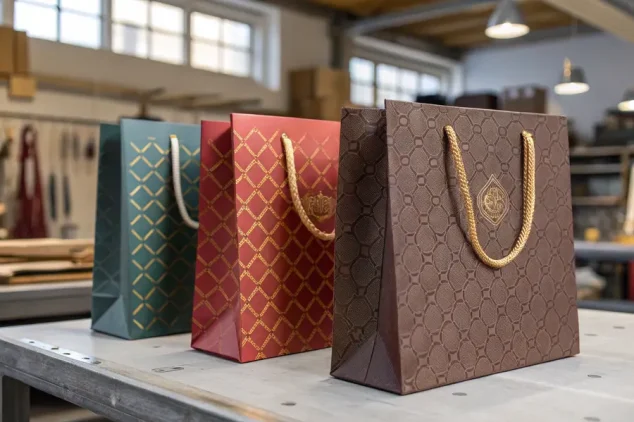
Personalization is the hallmark of a boutique experience, and it doesn’t have to cost a fortune. To achieve a custom look with low cost sustainable packaging for boutiques, focus on small, impactful details. Custom-designed paper stickers or FSC-certified hang tags can provide a pop of color and brand identity for just pennies per unit. Another popular 2026 trend is using “seed paper” tags—labels embedded with wildflower seeds that customers can plant after use. These small investments transform standard recycled cardboard into a premium experience, proving that a thoughtful design is more valuable than expensive, non-sustainable materials.
Educating Your Customers on Disposal Practices
The sustainability loop is only closed when the customer disposes of the packaging correctly. A boutique’s job isn’t done when the sale is made; you must also provide clear instructions. Adding a small, printed “How to Recycle Me” guide or a QR code on your kraft paper bags can significantly increase the chances of the material being processed correctly. This transparency builds trust and positions your boutique as an educator and leader in the local community. In the context of low cost sustainable packaging for boutiques, this education is a free marketing tool that reinforces your commitment to the environment and encourages repeat business from eco-conscious shoppers.
Future Trends: What’s Next for Boutique Packaging?
As we look toward the end of 2026 and into 2027, the world of low cost sustainable packaging for boutiques will continue to evolve. We are already seeing the emergence of “circular packaging,” where customers return bags or boxes to the shop for a small discount on their next purchase. This model not only saves the boutique money on new supplies but also guarantees a return visit from the customer. Additionally, bio-based “smart” labels that change color if a package has been tampered with are becoming more affordable. Staying ahead of these trends allows local boutiques to remain competitive against big-box retailers while maintaining their soul and environmental integrity.
Conclusion: Making the Green Transition Today
Switching to low cost sustainable packaging for boutiques is no longer a luxury—it’s a strategic business move. By prioritizing materials like kraft paper, recycled cardboard, and compostable mailers, boutique owners can meet consumer demands for eco-friendly practices while keeping their overhead low. The transition doesn’t have to happen overnight; starting with small changes, like swapping plastic tape for paper or using a custom rubber stamp, can lead to significant environmental and financial gains over time. As a local business leader, your choice to go green inspires your customers and sets a standard for the community, ensuring your boutique thrives in an increasingly conscious marketplace.
Frequently Asked Questions
1. Is sustainable packaging always more expensive for small shops?
Not necessarily. While some specialty bioplastics have a higher upfront cost, common materials like recycled cardboard and kraft paper are priced competitively. Furthermore, reducing excess packaging (minimalism) and “right-sizing” boxes can actually lower your overall shipping and material expenses.
2. Can compostable mailers be used for heavy items?
Most compostable mailers are designed for lightweight goods like clothing and accessories. For heavier items, it is better to use recycled corrugated cardboard, which offers superior structural integrity and can still be easily recycled by the customer.
3. What is the difference between “recyclable” and “compostable”?
Recyclable materials (like paper and some plastics) can be processed and turned into new products. Compostable materials (like cornstarch mailers) break down into organic matter. For local boutiques, providing clear instructions on which bin to use is essential for a successful sustainability strategy.
4. How can I brand my packaging without using expensive custom prints?
The most cost-effective method for low cost sustainable packaging for boutiques is using a custom rubber stamp with soy-based ink. This allows you to brand any paper bag or box manually, giving it a high-end, artisanal feel for a fraction of the cost of professional printing.
5. Is “biodegradable” the same as “compostable”?
Not exactly. Everything is biodegradable eventually, but “compostable” implies a specific timeframe and the absence of toxic residue. When sourcing supplies, look for certifications like BPI or TUV AUSTRIA to ensure your packaging meets true environmental standards.
6. Where can I find the best deals on eco-friendly supplies?
Look for local packaging wholesalers who offer “eco-friendly” lines, or join small business buying groups to access bulk discounts. Online retailers specializing in low cost sustainable packaging for boutiques also offer tiered pricing that benefits small businesses.