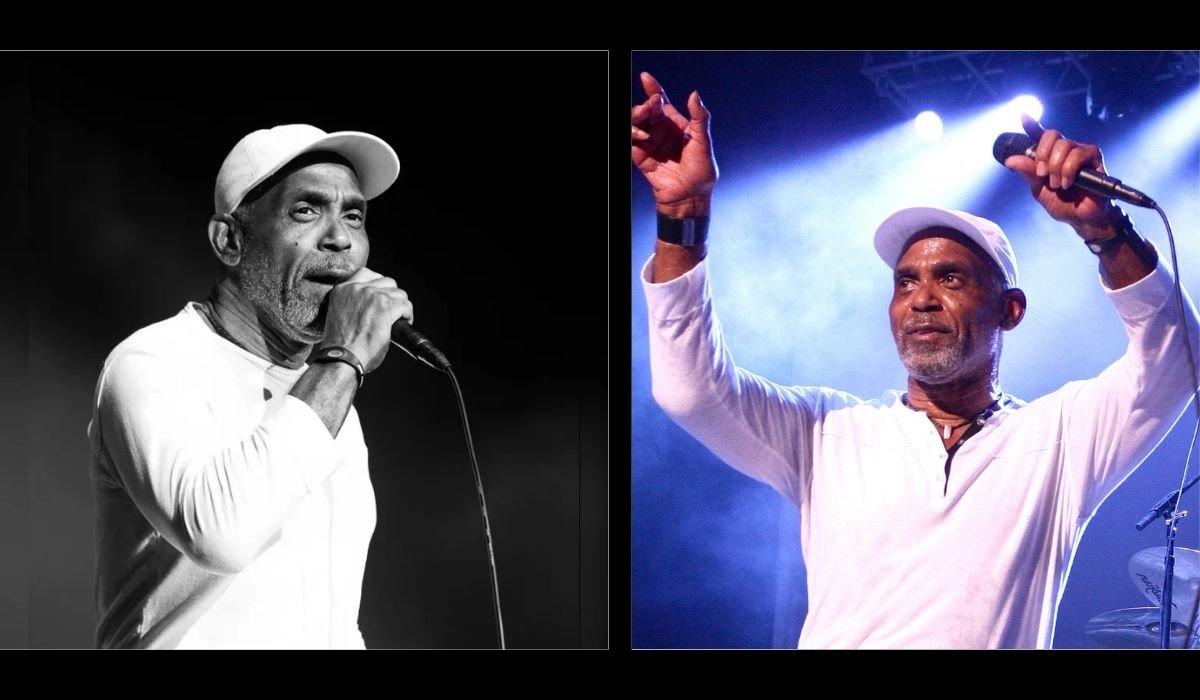
Frankie Beverly, born Howard Stanley Beverly in Philadelphia, grew up in a city where music flowed through churches, neighborhoods, and family gatherings. From an early age, he was surrounded by gospel choirs, rhythm and blues records, and street performers who used music as both expression and escape. These early influences shaped not only his vocal style but also his understanding of music as something deeply personal and emotional. Unlike many artists who chased trends, Beverly developed a desire to create songs that reflected real human feelings such as love, regret, hope, and perseverance.
During his teenage years, he joined local doo-wop groups and began learning how harmony, discipline, and storytelling could connect listeners to deeper emotions. These experiences formed the foundation of his musical identity and later guided the sound he would build with Maze.
Quick Bio
| Field | Details |
| Full Name | Howard Stanley Beverly |
| Stage Name | Frankie Beverly |
| Birthplace | Philadelphia, Pennsylvania, USA |
| Profession | Singer, Songwriter, Musician |
| Band | Maze |
| Role | Founder and Lead Singer |
| Music Genres | Soul, Funk, R&B |
| Active Years | Nineteen seventies to Two thousands |
| Known For | Emotional songwriting and smooth vocal style |
| Notable Songs | Before I Let Go, Joy and Pain, Golden Time of Day |
The road to forming Maze
Before the world recognized the name Maze, Frankie Beverly spent years navigating the difficult and uncertain path of an aspiring musician. After moving to California in search of broader opportunities, he formed a group originally known as Raw Soul. Despite their talent, success did not come easily. Record labels often overlooked them, live performance opportunities were inconsistent, and financial hardship became part of daily life. Many musicians would have abandoned their dream under such pressure, but Beverly remained determined. He believed in creating music that stayed true to soulful traditions rather than copying popular styles.
Over time, Raw Soul evolved into Maze, reflecting both the complexity of the music industry and the emotional journey of its members. This period of struggle strengthened Beverly’s resolve and shaped his leadership style, emphasizing patience, loyalty, and artistic integrity.
Discovery by Marvin Gaye
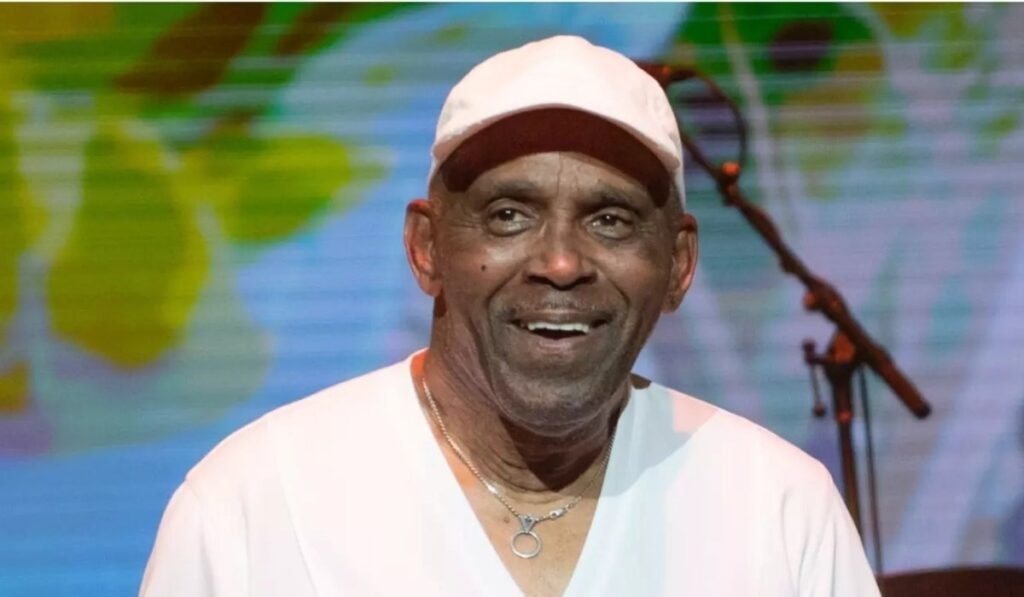
A major turning point arrived when legendary singer Marvin Gaye encountered Maze performing in San Francisco. Gaye immediately recognized something rare in Frankie Beverly’s voice and songwriting, describing the band’s sound as honest and emotionally rich. He invited Maze to join his tour, offering them exposure to larger audiences and influential figures within the industry. More importantly, Gaye helped them secure a recording contract, giving them access to professional studios and national distribution. This moment transformed years of obscurity into opportunity. Beverly later acknowledged that without this support, Maze might never have reached the platform needed to share their music widely.
The mentorship of Marvin Gaye did not alter Beverly’s artistic direction but strengthened his confidence that soulful authenticity had a place in mainstream music.
Creating the signature Maze sound
Frankie Beverly approached music with the mindset of a storyteller rather than a performer seeking attention. He intentionally avoided overproduced arrangements and flashy trends, choosing instead smooth melodies, steady rhythms, and warm instrumentation. Maze became known for blending soul, funk, and rhythm and blues into a sound that felt gentle yet powerful. Beverly’s voice carried emotional weight without relying on vocal theatrics. His delivery was calm, intimate, and sincere, making listeners feel as though he was speaking directly to them. This musical style created a timeless quality that allowed Maze songs to remain relevant across generations. Fans often describe their music as comforting, familiar, and emotionally grounding, qualities that stem directly from Beverly’s artistic philosophy.
Songwriting as emotional expression
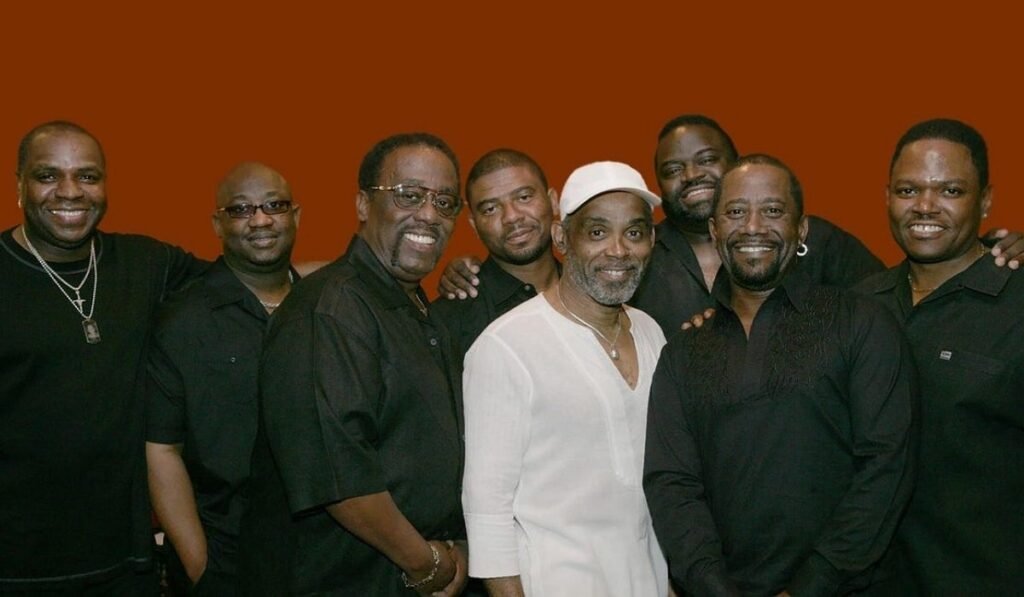
Frankie Beverly wrote the majority of Maze’s catalog himself, using personal experiences as the foundation for his lyrics. His songwriting avoided exaggerated imagery or complicated metaphors, focusing instead on clarity and emotional truth. Whether addressing heartbreak, forgiveness, friendship, or gratitude, his words reflected situations listeners recognized from their own lives. Songs such as “Before I Let Go,” “Joy and Pain,” and “Golden Time of Day” became emotional landmarks for countless fans. Beverly believed that music should serve as emotional companionship, offering understanding during both joyful and difficult moments. This approach allowed Maze’s songs to become more than entertainment; they became emotional memories tied to relationships, celebrations, and personal milestones.
Maze’s influence on soul and R&B culture
While Maze did not always dominate mainstream charts, their cultural influence proved far more enduring than many chart-topping acts. Frankie Beverly’s work shaped the emotional tone of modern soul and contemporary R&B, inspiring artists who valued authenticity over commercial formula. His music became a staple at weddings, family reunions, neighborhood gatherings, and community celebrations, particularly within African American culture. “Before I Let Go” evolved into a generational anthem, played at countless social events and later reintroduced to younger audiences through samples and covers. This continued presence demonstrated how deeply Beverly’s music had embedded itself into everyday life rather than remaining confined to radio airplay alone.
Longevity in an evolving music industry
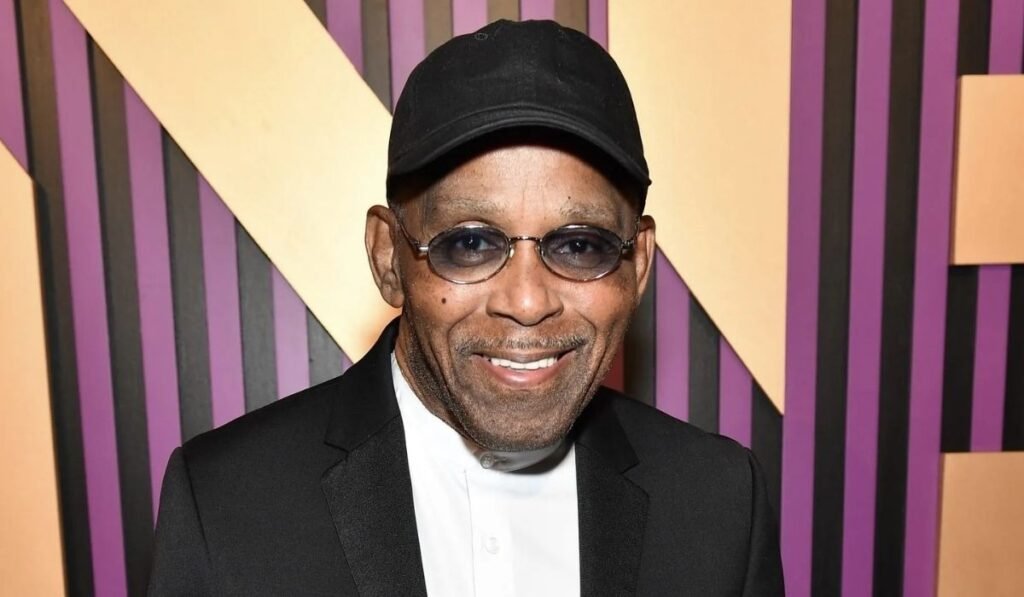
The music industry frequently demands reinvention, yet Frankie Beverly chose consistency over constant transformation. While styles shifted from disco to hip-hop to digital pop, he maintained the soulful foundation that defined Maze. This commitment built deep trust between artist and audience. Fans returned to each new album knowing they would find the same emotional sincerity and musical warmth. Beverly proved that longevity is not always achieved by chasing trends but by cultivating loyalty through authenticity. Maze continued to sell out concerts decades after their debut, illustrating how deeply listeners valued the emotional reliability of their music.
Live performances and audience connection
Frankie Beverly treated live performances as conversations rather than spectacles. His concerts were known for their relaxed atmosphere and emotional openness. Instead of focusing on elaborate stage effects, he emphasized connection, often encouraging audiences to sing along and share in the experience. Fans described these concerts as therapeutic, communal, and deeply personal. Beverly spoke openly between songs, expressing gratitude and humility, reinforcing the sense that Maze was not just a band but a shared emotional space. This relationship with audiences strengthened over time, creating a loyal following that transcended generations.
Health challenges and later years
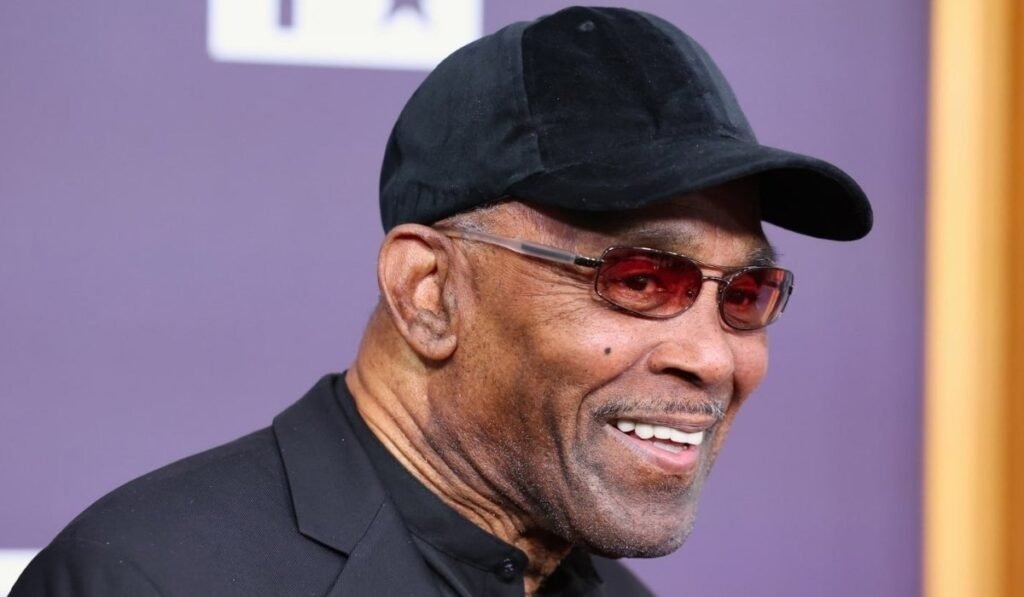
As he aged, Frankie Beverly began experiencing health issues that made extensive touring increasingly difficult. Eventually, he announced his retirement from live performances, marking the end of an era for fans who had followed Maze for decades. Despite stepping away from the stage, his presence remained powerful through recorded music, radio play, and cultural memory. Younger audiences continued discovering Maze through streaming platforms, family playlists, and modern reinterpretations of his songs. Beverly’s decision to prioritize his health reflected the same quiet dignity that characterized his career, choosing peace and well-being over public visibility.
The lasting legacy of Frankie Beverly
Frankie Beverly’s legacy rests not on awards or media attention but on emotional resonance. As the founder and lead singer of Maze, he created music that spoke gently yet profoundly to the human experience. His songs became soundtracks for love stories, healing journeys, personal reflection, and celebration. He demonstrated that true artistry lies in honesty, patience, and emotional generosity. Long after his final performance, his voice continues to comfort listeners, reminding them that music can be both simple and powerful. In the history of soul and funk, Frankie Beverly stands as a symbol of integrity, resilience, and timeless emotional connection.
Frequently Asked Questions
1. Who is Frankie Beverly?
- Frankie Beverly is an American singer and songwriter best known as the founder and lead vocalist of the soul and funk band Maze.
2. What made Maze different from other soul bands?
- Maze focused on emotional honesty, smooth melodies, and timeless themes rather than following commercial trends.
3. Did Frankie Beverly write Maze’s songs himself?
- Yes, he wrote most of the band’s music, drawing inspiration from real-life experiences and personal emotions.
4. How did Maze become successful?
- Their breakthrough came after Marvin Gaye discovered them and helped them secure wider exposure and a recording contract.
5. Is Frankie Beverly still active in music?
- He has retired from live performances but remains influential through his recorded work and lasting cultural impact.