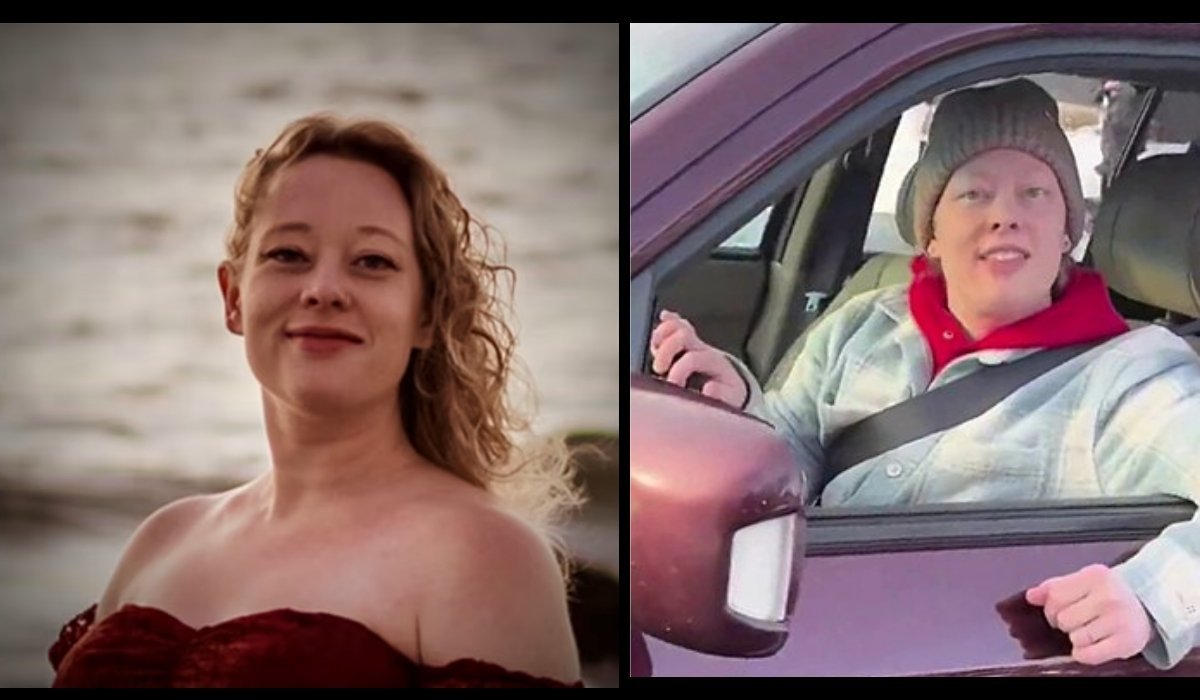
The story of Renée Nicole Macklin Good is one that began in the quiet rhythms of poetry and ended in a flash of violence that shook the foundations of American civil rights. A 37-year-old award-winning poet, mother of three, and devoted partner, Good was killed on January 7, 2026, during a chaotic encounter with federal agents in Minneapolis, Minnesota. The fatal shooting, which occurred just blocks from her home, quickly transformed from a local tragedy into a national flashpoint, pitting the Trump administration’s aggressive immigration enforcement against local leaders and grieving citizens.
To understand the gravity of the Renée Good shooting Minneapolis ICE incident, one must look past the headlines and into the life of a woman who friends say lived with “wonder and a drive to understand the world.”
Born in 1988, Renée grew up in Colorado Springs in a Christian household. She was a lifelong learner who spent years navigating the complexities of life as a military wife before finding her true voice in literature. In 2020, she earned an English degree from Old Dominion University, where she won the prestigious Academy of American Poets Prize. Her work often touched on themes of nature, maternal duty, and the search for peace—elements she sought to solidify when she moved to the Powderhorn neighborhood of Minneapolis with her wife, Becca Good, and their six-year-old son.
They arrived seeking a “safe harbor” in a community known for its progressive values, unaware that their new home would soon become the epicenter of a federal surge known as Operation Metro Surge.
Biographic Profile: Renée Nicole Macklin Good (1988–2026)
| Full Name | Renée Nicole Macklin Good (born Renée Nicole Ganger) |
| Birth Date | April 2, 1988 |
| Death Date | January 7, 2026 (Aged 37) |
| Place of Birth | Colorado Springs, Colorado, U.S. |
| Primary Residence | Minneapolis, Minnesota (Powderhorn neighborhood) |
| Education | B.A. in English, Old Dominion University (2020) |
| Occupation | Poet, Writer, and former Dental Assistant |
| Notable Awards | Academy of American Poets Undergraduate Prize (2020) |
| Key Literary Work | “On Learning to Dissect Fetal Pigs” |
| Family Status | Married to Becca Good; Mother of three children |
| Children’s Ages | 15, 12, and 6 years old (at the time of her death) |
| Incident Location | Portland Avenue South, Minneapolis, MN |
| Cause of Death | Gunshot wound to the head (Fatal encounter with ICE) |
| Identified Shooter | Jonathan Ross (Federal ICE Agent) |
| Citizenship | United States Citizen |
Early Life and Artistic Roots of Renée Nicole Macklin Good
Before she was a name associated with a national protest movement, Renée was known for her “shitty guitar strumming” and her “messy art.” Growing up in Colorado, she developed a deep appreciation for the written word, eventually finding her way to Virginia for her studies. Her professors at Old Dominion remembered her as a student who balanced the rigors of motherhood with a sharp, creative intellect. Her award-winning poem, “On Learning to Dissect Fetal Pigs,” remains a testament to her ability to find profound meaning in the mundane. This artistic foundation defined her; she was not a political operative or a seasoned activist, but a woman who felt deeply for those around her.
The Move to Minneapolis and a Search for Peace
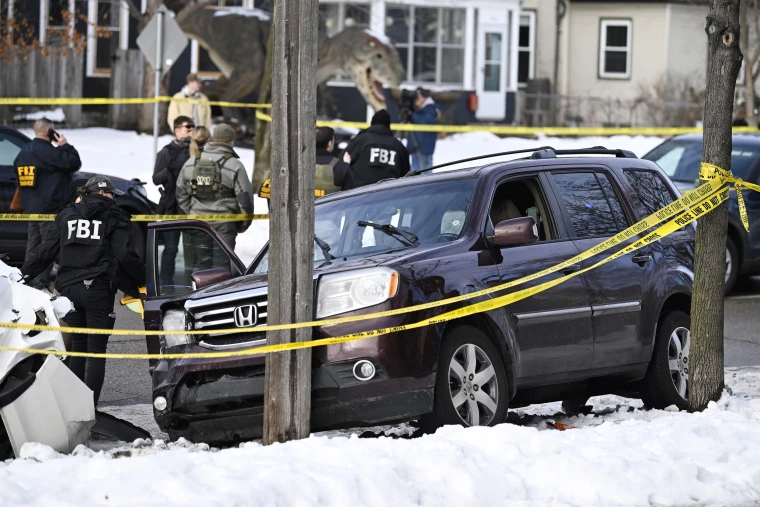
Renée and her family moved to Minneapolis from Missouri, with a brief stay in Canada, following the re-election of Donald Trump. They chose the South Side, a diverse, working-class area where murals and community care were part of the daily fabric. For Renée, this move was about more than just a change of scenery; it was a “fresh start” in an open community where a queer family could feel at home. In the months leading up to the Renée Good shooting Minneapolis ICE incident, she had settled into a quiet life, hosting neighbors for tea and cookies and focusing on raising her son.
January 7, 2026: A Morning That Changed Everything
The events of January 7, 2026, began like any other Wednesday. Renée had just dropped her six-year-old son off at school and was driving back home with Becca when they encountered a heavy presence of Immigration and Customs Enforcement (ICE) agents. The neighborhood was on high alert due to “Operation Metro Surge,” and residents had been standing guard to watch for activity near a local dual-language school. According to witness accounts and video footage, Renée stopped her Honda Pilot SUV near the agents. Far from being aggressive, she was captured on video smiling at an agent, saying, “That’s fine, dude. I’m not mad at you.”
The Escalation: From Observation to Confrontation
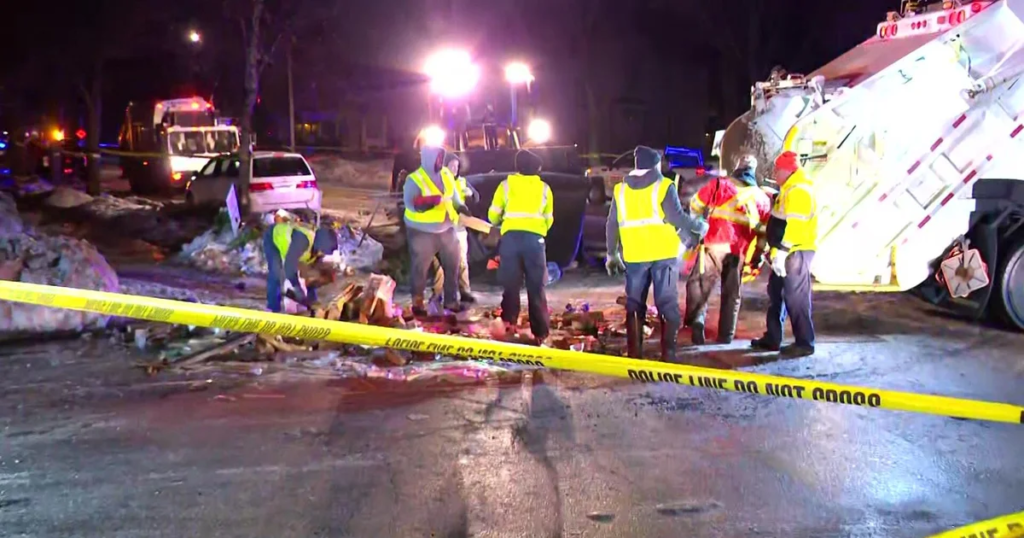
The situation rapidly deteriorated when federal agents, specifically members of a Special Response Team, began to surround her vehicle. Jonathan Ross, a masked ICE agent with decades of military and law enforcement experience, began recording her license plate. Another agent reportedly tried to force open her car door, shouting orders at her to exit the vehicle. The scene was marked by conflicting commands; some witnesses claim one agent told her to drive away while another screamed at her to get out. Terrified and with her partner recording the interaction, Renée put the car in reverse and then attempted to pull forward and away from the agents.
The Fatal Moment: The Shooting of Renée Good
As Renée steered her vehicle to the right—away from the path of Agent Jonathan Ross and toward the flow of traffic—Ross drew his weapon. Within a second, three shots were fired through the side of the SUV. According to a preliminary private autopsy, Renée was struck in the forearm, the breast, and the head. The shot to her temple was fatal. The vehicle, now without a conscious driver, lurched forward and crashed into parked cars. A male voice on the bystander video was heard using an expletive immediately after the shots, a detail that further fueled public outrage over the perceived lack of professional restraint.
Diverging Narratives: Self-Defense vs. Excessive Force
The aftermath of the Renée Good shooting Minneapolis ICE incident saw two diametrically opposed versions of the truth. DHS Secretary Kristi Noem and President Donald Trump quickly labeled Good a “domestic terrorist” and a “professional agitator.” They claimed she had “weaponized her vehicle” and ran over Agent Ross, causing him internal injuries. However, local officials, including Mayor Jacob Frey and Governor Tim Walz, countered this narrative. They pointed to multiple video angles suggesting that Ross was not in the vehicle’s path and that Renée was attempting to flee a chaotic situation rather than attack federal agents.
The Autopsy Findings and Medical Controversy
The controversy deepened when reports emerged regarding the immediate medical response. Witnesses, including a licensed pediatrician, claimed that federal agents prevented them from rendering aid to Renée as she lay dying. While the DHS claimed the officer involved required hospitalization for internal bleeding, medical records from the scene did not document any immediate treatment for Ross. The autopsy commissioned by the family confirmed that while two of the wounds were survivable, the head wound was not. This led to questions about whether life-saving measures could have changed the outcome had they been permitted immediately.
Resignations and the Battle for Investigation
The pursuit of justice for Renée Good led to a historic crisis within the U.S. Attorney’s Office in Minnesota. When career prosecutors sought a civil rights investigation into the shooting, they were reportedly blocked by senior officials in Washington, including FBI Director Kash Patel. This perceived interference led to the mass resignation of over a dozen federal prosecutors who refused to abandon the inquiry. The Department of Justice eventually stated that the agent was “cleared” by available video, but the lack of a transparent, independent investigation remains a point of intense legal and social friction.
Community Impact and National Outcry
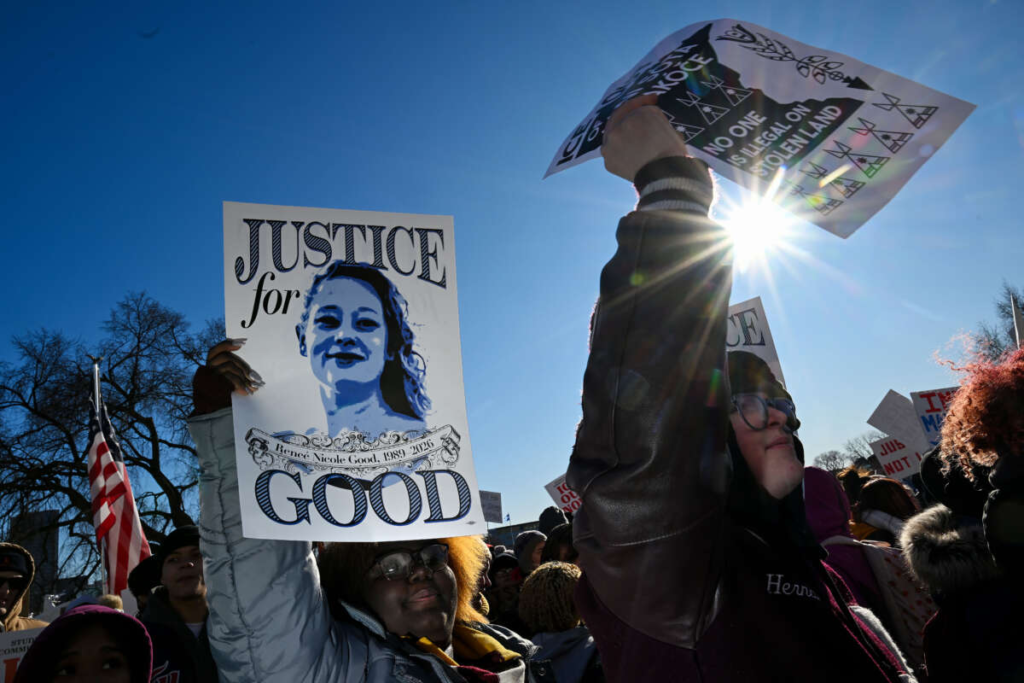
In Minneapolis, the death of Renée Good sparked weeks of protests and vigils. Residents of the Powderhorn neighborhood erected a makeshift memorial, and slogans like “ICE out now” became common throughout the city. The shooting was seen not as an isolated incident, but as a symptom of a new era of aggressive federal enforcement. The fact that Renée was a U.S. citizen and a non-activist caught in the crossfire of an immigration raid made her story resonate with a broad cross-section of the American public, raising fears about the safety of all citizens during federal operations.
Remembering the Legacy of Renée Nicole Good
Beyond the legal battles and the political firestorm, the family of Renée Nicole Macklin Good wants her to be remembered as a woman of peace. Her mother, Donna Ganger, described her as “one of the kindest people” who spent her life taking care of others. To her three children, she was a fiercely loving mother who put them at the center of her world. While her name is now inextricably linked to a landmark civil rights case, her true legacy lies in the poems she left behind and the community of friends and family who continue to advocate for the “peace and safe harbor” she so desperately sought.
Conclusion: The Unresolved Questions of Minneapolis
The Renée Good shooting Minneapolis ICE incident remains one of the most contentious events of 2026. It highlights the profound tension between federal enforcement tactics and local civil liberties. As the legal fallout continues, the case serves as a somber reminder of how quickly a life dedicated to art and family can be extinguished in a moment of systemic chaos. Whether the death of Renée Good leads to significant policy changes or remains a symbol of an era defined by division is a question that the American justice system has yet to fully answer.
FAQs About the Renée Good Shooting Minneapolis ICE Incident
1. Who was Renée Nicole Macklin Good?
Renée Good was a 37-year-old poet, writer, and mother of three. She was an award-winning artist who had recently moved to Minneapolis seeking a peaceful life for her family.
2. What happened during the Renée Good shooting in Minneapolis?
On January 7, 2026, Renée was fatally shot by ICE Agent Jonathan Ross while she was in her SUV near a federal immigration operation. The shooting occurred after a brief, chaotic encounter where agents ordered her to exit her vehicle.
3. Why did the ICE agent shoot Renée Good?
Federal officials claim the agent acted in self-defense, alleging Renée attempted to run him over with her car. However, bystander videos and local officials dispute this, suggesting she was driving away from the agents.
4. Was Renée Good an activist or a protester?
While federal officials labeled her a “domestic terrorist,” her family and friends maintain she was not an activist and had no history of participating in protests. Some local leaders referred to her as a “legal observer” during the incident.
5. What were the findings of the autopsy?
A private autopsy found that Renée was shot three times: in the forearm, breast, and head. The head wound was determined to be the cause of death.
6. Why did federal prosecutors in Minnesota resign?
More than a dozen prosecutors resigned in protest after senior officials in Washington allegedly blocked a civil rights investigation into the shooting of Renée Good.
7. Has any legal action been taken against the agent?
As of early 2026, the Department of Justice has stated that the agent was cleared of wrongdoing, though civil rights groups and the Good family’s attorneys continue to seek a full, independent investigation.