
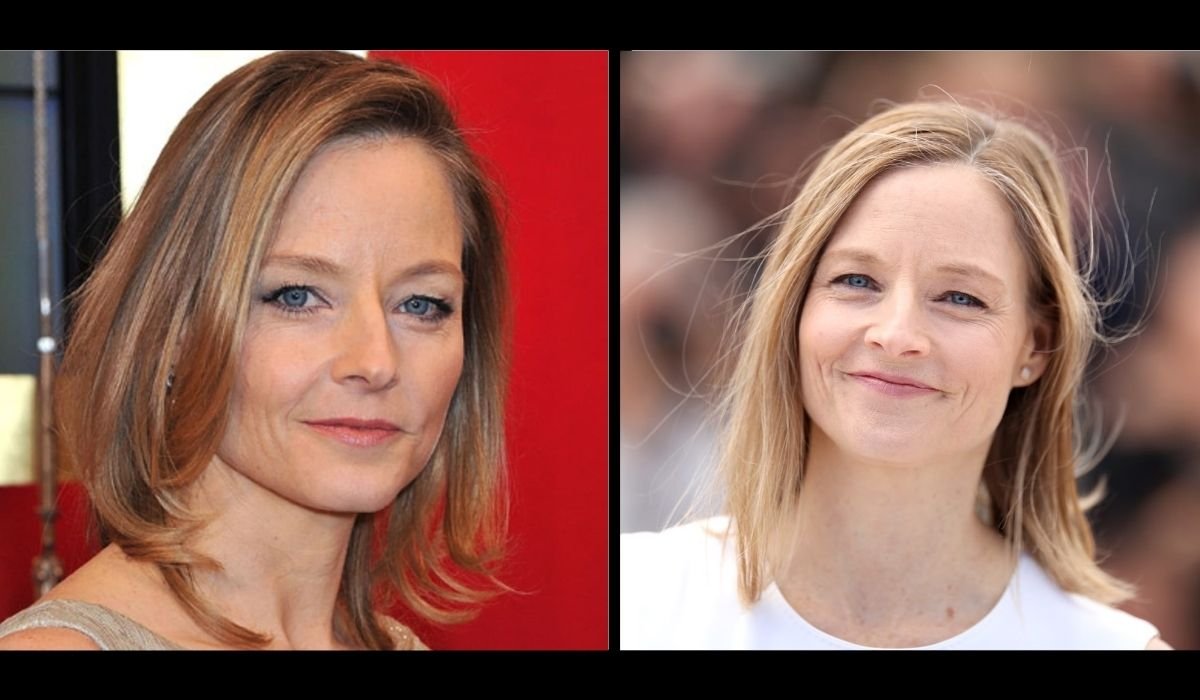
Jodie Foster has spent more than five decades in the public eye, evolving from a gifted child performer into one of the most respected actresses and filmmakers in Hollywood history. At 63, she continues to command admiration not only for her artistic achievements but also for her intelligence, independence, and personal resilience. Her recent reflections on what “saved” her from abuse in the entertainment industry have reopened conversations about the realities faced by young performers and the rare circumstances that allowed her to navigate fame without losing herself.
Unlike many child stars whose stories are marked by exploitation, addiction, or emotional collapse, Jodie Foster emerged from early stardom with her dignity intact. Her experience was not a matter of luck alone but the result of a strict upbringing, a sharp intellect, a commitment to education, and a carefully constructed boundary between her professional and private life. These elements combined to create a protective structure that allowed her to grow into adulthood with clarity and control, even while working in one of the most unforgiving industries in the world.
Quick Bio
| Field | Details |
| Full Name | Alicia Christian Foster |
| Date of Birth | November 19, 1962 |
| Place of Birth | Los Angeles, California, USA |
| Profession | Actress, Director, Producer |
| Education | Yale University (Literature) |
| Years Active | 1965 – Present |
| Notable Films | Taxi Driver, The Silence of the Lambs, Contact, Panic Room |
| Awards | Two Academy Awards, Three Golden Globes |
| Children | Two sons |
Early Life and Entry into Acting
Born Alicia Christian Foster on November 19, 1962, in Los Angeles, Jodie Foster entered the entertainment world before she could fully understand it. Her mother, Evelyn “Brandy” Foster, was a film producer and manager who recognized her daughter’s potential early on and guided her career with discipline and caution. Jodie appeared in commercials before her first birthday and quickly transitioned into television roles during the late 1960s and early 1970s.
While the pace of her career was intense, her mother maintained strict supervision over every aspect of her work. This parental presence would later become one of the defining factors Jodie Foster credits with protecting her from exploitation. Her childhood was structured around work, school, and family, leaving little room for the chaos that often surrounds child stardom. Instead of being exposed to unchecked freedom, she grew up with rules, schedules, and expectations that reinforced stability.
The Impact of Taxi Driver on Jodie Foster’s Life

In 1976, at just 12 years old, Jodie Foster delivered a performance that would forever alter her career. Her role as Iris, a young prostitute in Martin Scorsese’s Taxi Driver, shocked audiences and critics alike. The film became a cultural landmark, and her portrayal was praised for its emotional depth and unsettling realism. However, the role also placed her in an uncomfortable spotlight, raising ethical questions that continue to be debated today.
For Jodie Foster, the experience was both transformative and challenging. She was suddenly regarded not just as a talented child actress but as a serious performer capable of handling complex and disturbing material. While the role could have exposed her to emotional harm or unhealthy attention, she later explained that the environment on set was tightly controlled and monitored by her mother and legal guardians. She was never left alone with adult co-stars, and her participation in sensitive scenes was carefully managed.
This protective framework prevented the boundaries from being crossed, a reality that many young performers were not fortunate enough to experience. In retrospect, she acknowledges that while the role was artistically significant, it could have easily become damaging without the safeguards in place.
The Protective Role of Family and Education
When Jodie Foster speaks about what “saved” her, she often highlights two powerful influences: her mother’s supervision and her commitment to education. Unlike many child stars who were pulled out of school or educated only sporadically, she attended Lycée Français de Los Angeles, a prestigious bilingual private school. This environment reinforced discipline, intellectual curiosity, and a sense of identity beyond acting.
Education gave her something that fame could not take away. It reminded her that her worth was not limited to box office numbers or critical acclaim. It also surrounded her with peers who did not view her solely as a celebrity but as a student and classmate. Later, she enrolled at Yale University, majoring in literature and graduating magna cum laude.
This decision shocked many in Hollywood, as it required her to step away from lucrative film opportunities. Yet, for Jodie Foster, it was an investment in her future and her mental health. By grounding herself in academia, she distanced herself from the isolating bubble of celebrity and reinforced her independence.
Navigating Fame as a Young Woman
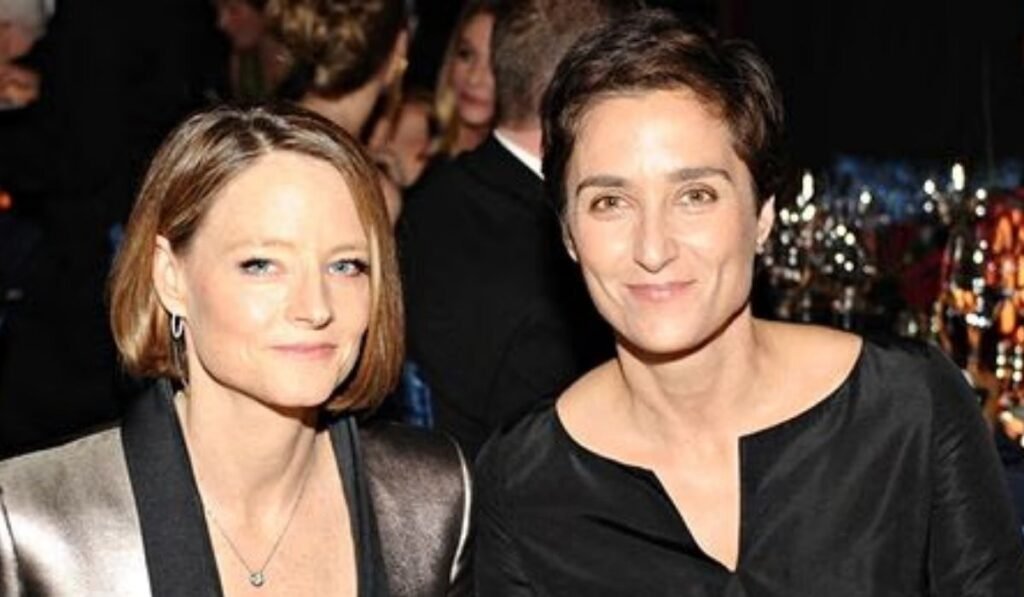
Growing up famous often means growing up under constant scrutiny. For Jodie Foster, adolescence unfolded in front of cameras, critics, and an audience eager to define her. She was subjected to intense media attention, including the disturbing fixation of John Hinckley Jr., who later attempted to assassinate President Ronald Reagan in an effort to gain her attention.
This traumatic episode could have shattered her sense of safety and trust, yet she approached it with remarkable composure. She continued her education, cooperated with authorities when necessary, and refused to allow the incident to define her identity. This resilience further illustrates how her disciplined upbringing and strong sense of self allowed her to confront situations that would overwhelm most individuals.
She learned early that fame is fleeting and often dangerous, and that privacy is a form of protection. This understanding would later shape how she raised her own children, keeping them largely out of the public eye.
Jodie Foster’s Evolution as an Actress
After returning from Yale, Jodie Foster reentered Hollywood on her own terms. No longer a child star, she deliberately chose roles that challenged stereotypes and showcased her maturity. Her performances in The Accused, The Silence of the Lambs, Contact, and Panic Room solidified her reputation as one of the most versatile and intelligent actresses of her generation.
Winning two Academy Awards before the age of 30, she achieved what many actors spend a lifetime pursuing. Yet she never allowed these accolades to define her self-worth. She often avoided glamorous celebrity culture, preferring smaller circles and meaningful projects. This selective approach shielded her from the destructive excesses that have derailed so many promising careers.
Transition into Directing and Producing
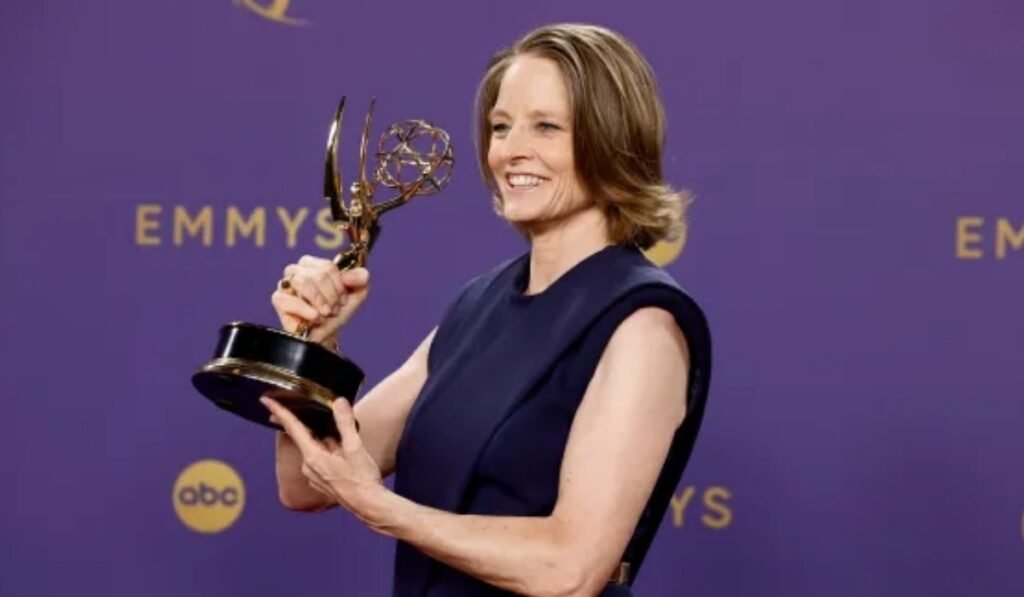
Jodie Foster’s career did not stop at acting. She gradually transitioned into directing and producing, seeking creative control and new ways to tell stories. Behind the camera, she found another form of independence, one that freed her from the constant objectification women often face in Hollywood.
Her work as a director further demonstrated her intellectual depth and commitment to thoughtful storytelling. It also allowed her to mentor younger actors, many of whom have praised her professionalism and empathy. Having experienced the industry as a vulnerable child, she became deeply aware of the responsibility that adults hold in protecting young performers.
Hollywood’s Changing Conversation About Abuse
In recent years, Hollywood has been forced to confront its history of abuse and exploitation. Movements advocating accountability and transparency have encouraged survivors to speak openly about their experiences. Jodie Foster’s reflections add a rare perspective: that of someone who navigated the same dangerous terrain but emerged unharmed.
She does not claim that her experience was typical. Instead, she acknowledges that she was fortunate to have structural protection, a vigilant parent, and personal discipline. Her story highlights how easily the outcome could have been different without these safeguards. It serves as both a cautionary tale and a model for how the industry can better protect its youngest talents.
Personal Life and Privacy
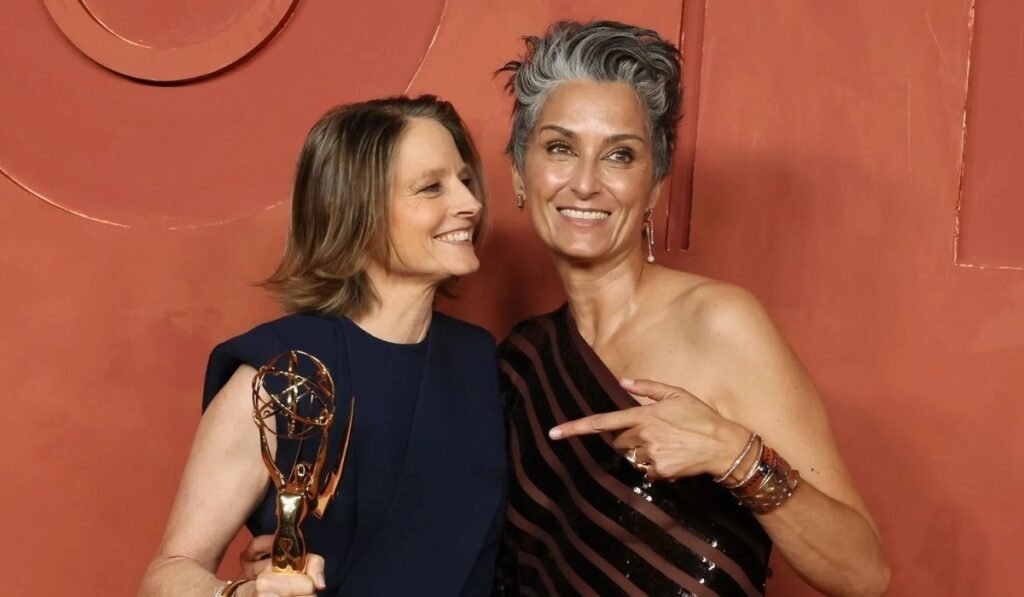
Despite her fame, Jodie Foster has always guarded her personal life fiercely. She is a mother of two sons and has prioritized their normalcy over public recognition. Rarely seen at celebrity parties or tabloid events, she maintains a low profile, focusing on work and family.
This deliberate separation between her public persona and private identity has been one of her greatest strengths. It allowed her to mature without the pressure of constant validation from strangers and critics. Even today, she remains selective about interviews and appearances, choosing substance over spectacle.
Jodie Foster’s Legacy in Modern Cinema
Jodie Foster’s legacy is not defined solely by awards or box office success but by the example she set for generations of performers. She demonstrated that it is possible to grow up in Hollywood without losing one’s moral compass, intellect, or autonomy. Her life illustrates the power of boundaries, education, and strong family support.
As discussions about abuse and exploitation continue to reshape the entertainment industry, her story remains both unique and instructive. It reminds us that talent alone is not enough to survive fame. Protection, guidance, and personal integrity are equally essential.
Conclusion: What Truly “Saved” Jodie Foster
When Jodie Foster reflects on what saved her, she is not pointing to a single moment or decision but to a combination of circumstances that formed a shield around her childhood. A determined mother, a rigorous education, emotional discipline, and a refusal to surrender her identity to fame all played crucial roles.
Fifty years after Taxi Driver, she stands not as a victim of the industry but as one of its most enduring and respected figures. Her journey is a powerful reminder that while Hollywood can be dangerous, it is not destiny. With the right support and inner strength, it is possible to survive, thrive, and redefine success on one’s own terms.
Frequently Asked Questions
1. Why is Jodie Foster considered different from other child actors?
- Jodie Foster is often seen as different because she maintained academic excellence, had strong parental supervision, and avoided the destructive behaviors commonly associated with early fame.
2. What role made Jodie Foster internationally famous?
- Her role as Iris in Taxi Driver brought her global recognition and critical acclaim at a very young age.
3. Did Jodie Foster take a break from acting for education?
- Yes, she temporarily stepped away from major film roles to attend Yale University, where she studied literature.
4. How did Jodie Foster protect her privacy?
- She limited media access to her personal life, avoided celebrity culture, and kept her family out of the spotlight.
5. Is Jodie Foster still active in Hollywood today?
- Yes, she continues to act, direct, and produce, remaining an influential figure in modern cinema.